Delicious German Potato Pancakes – Easy Recipe
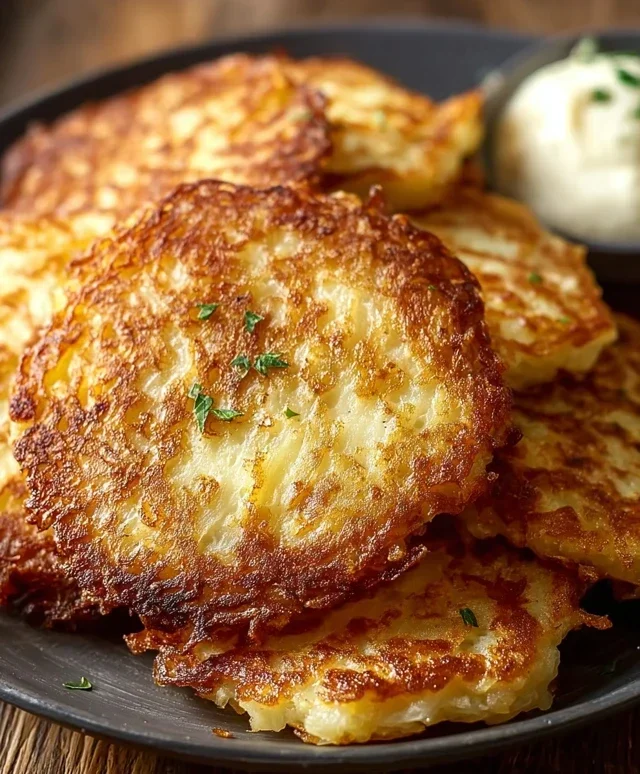
German potato pancakes, or Kartoffelpuffer as they’re known in Germany, are a true comfort food classic that never fails to delight. There’s something incredibly satisfying about biting into a crispy, golden-brown exterior that gives way to a fluffy, tender interior. We love German potato pancakes because they’re deceptively simple yet packed with soul-warming flavor. They evoke cozy Sunday mornings, festive gatherings, and the joy of sharing a delicious, homemade meal. What makes them truly special is their versatility; they can be enjoyed as a savory starter with a dollop of sour cream and chives, or as a sweet treat dusted with powdered sugar and served with apple sauce. This recipe will guide you through creating the perfect German potato pancakes, ensuring that every bite is a trip to culinary heaven.
German Potato Pancakes
There’s something undeniably comforting about a pile of crispy, golden potato pancakes. Often called Kartoffelpuffer in Germany, these savory delights are a beloved classic, perfect for breakfast, a light lunch, or even a side dish. They’re surprisingly simple to make, and the combination of fluffy interior and perfectly fried exterior is simply irresistible. Today, I’m going to guide you through making authentic German potato pancakes that will transport your taste buds straight to Bavaria. Forget those sad, greasy diner versions; we’re aiming for pure potato bliss.
The magic of these pancakes lies in the quality of the potatoes and the simple, yet effective, preparation. We want a pancake that’s tender and flavorful on the inside, with a delightful crunch on the outside. It’s all about balancing the moisture from the potatoes with just enough binder to hold everything together. Let’s get started with what you’ll need.
Ingredients:
Preparing the Potatoes and Onion
The foundation of great potato pancakes is properly grated potatoes. For this recipe, I prefer russet potatoes because their high starch content helps create that wonderfully crispy texture. Start by peeling your potatoes. Once peeled, the next crucial step is to grate them. You can use a box grater or a food processor with a grating attachment. I find that using the larger holes on a box grater gives a good balance of texture.
Now, here’s a key tip: as soon as you grate the potatoes, they’ll start to release moisture and turn brown. To prevent this, place the grated potatoes into a clean kitchen towel or cheesecloth. Gather the edges of the towel and squeeze out as much liquid as humanly possible. This step is absolutely vital for achieving crispy pancakes. If you skip this, your pancakes will be soggy and fall apart. The drier the potatoes, the crispier the result.
Similarly, grate the small yellow onion. You can use the same grater as the potatoes. The onion adds a wonderful depth of flavor and a hint of sweetness to the pancakes.
Mixing the Batter
Once your potatoes and onion are grated and the excess moisture has been squeezed out, transfer them to a medium-sized mixing bowl. Add a good pinch of salt and a few grinds of black pepper. Don’t be shy with the salt; it really brings out the potato flavor.
Next, add the all-purpose flour. The flour acts as a binder, holding all the grated ingredients together. Start with 3 tablespoons. You might think it’s not much, but it’s enough to do the job without making the pancakes heavy or gummy.
Finally, add the lightly beaten large egg. The egg also acts as a binder and contributes to the richness of the pancakes. Gently mix everything together with a fork or your hands until it’s just combined. Be careful not to overmix, as this can also develop the gluten in the flour, leading to tougher pancakes. You’re looking for a cohesive mixture where the potatoes and onions are well-distributed and lightly coated in the flour and egg.
Frying the Potato Pancakes
Now for the exciting part – frying! You’ll need a good amount of vegetable oil for frying. I like to use a cast-iron skillet or a heavy-bottomed frying pan, as they distribute heat evenly. Pour enough vegetable oil into the skillet to come up about ¼ to ½ inch up the sides. Heat the oil over medium-high heat until it’s shimmering but not smoking. A good test is to drop a tiny bit of the potato mixture into the oil; if it sizzles immediately, your oil is ready.
To form the pancakes, use a large spoon or a ¼ cup measuring cup to scoop portions of the potato mixture. Gently drop these portions into the hot oil. Don’t overcrowd the pan, as this will lower the oil temperature and result in greasy pancakes. Fry them in batches, leaving enough space between each one.
Use a spatula to gently flatten each pancake into a disc about ½ inch thick. This ensures even cooking. Cook for about 4 to 5 minutes per side, or until they are beautifully golden brown and crispy. You’ll see the edges start to get nice and crunchy.
Once they are golden and cooked through, carefully remove the potato pancakes from the skillet with a slotted spatula and place them on a wire rack set over a baking sheet. This allows any excess oil to drain off, keeping them crispy. You can also line a plate with paper towels, but a wire rack is generally better for maintaining crispness. Season with a little more salt immediately after they come out of the fryer, while they are still hot.
Serving Suggestions
German potato pancakes are incredibly versatile. Traditionally, they are served with unsweetened applesauce, which provides a lovely sweet and tart contrast to the savory pancakes. Sour cream is another popular accompaniment, offering a cool and creamy counterpoint. For those who enjoy a touch of sweetness, a sprinkle of brown sugar over the pancakes is also delicious. And if you’re feeling adventurous, a homemade yogurt sauce can be a refreshing alternative. I love serving them with a dollop of sour cream and a side of applesauce, a classic pairing that never disappoints. You can also enjoy them as a savory side with sausages or a fried egg.
These potato pancakes are best enjoyed immediately, fresh from the skillet, when they are at their crispiest. But if you have leftovers, you can reheat them in a single layer on a baking sheet in a preheated oven at 375°F (190°C) for about 8-10 minutes until they are heated through and crisped up again.
Enjoy making and savoring these wonderful German potato pancakes! They’re a taste of home for many and a delightful discovery for those trying them for the first time.
Conclusion:
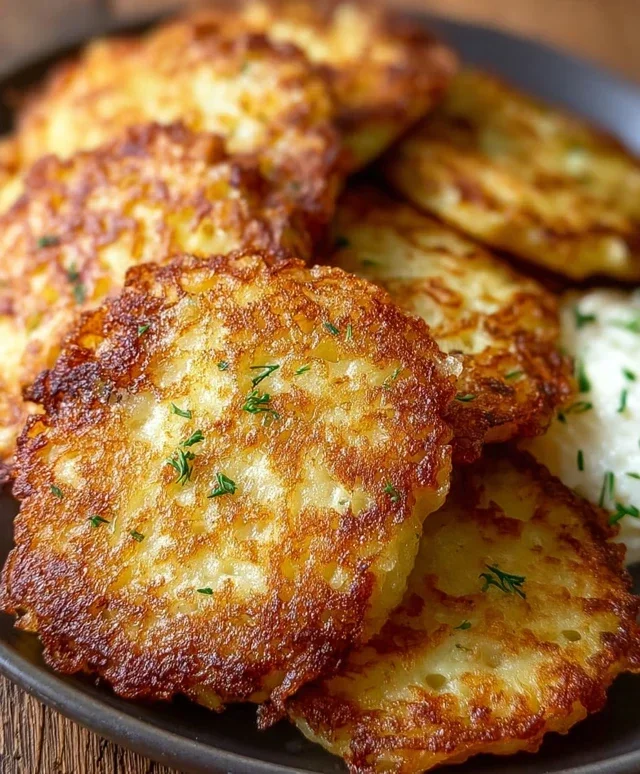
I hope you’re as excited about making these delicious German potato pancakes as I am! This recipe is a real winner because it’s wonderfully comforting, surprisingly simple to prepare, and delivers that perfect crispy-on-the-outside, tender-on-the-inside texture we all crave. They’re incredibly versatile, making them a fantastic addition to any meal, from a hearty breakfast to a satisfying lunch or even a light dinner. Don’t be afraid to get creative with your toppings – applesauce is a classic for a reason, but sour cream with chives or even a dollop of crème fraîche are equally divine. For a heartier meal, try serving them alongside some smoked sausage or a simple green salad. Feel free to experiment with adding a pinch of nutmeg or a sprinkle of fresh parsley to the batter for an extra layer of flavor. Give these German potato pancakes a try – I’m confident you’ll fall in love with them!
Frequently Asked Questions:
Can I make the batter ahead of time?
While it’s best to make the batter just before cooking for the crispiest results, you can prepare the grated potatoes and onions up to a few hours in advance. Just be sure to squeeze out as much liquid as possible before mixing with the egg and flour to prevent them from becoming watery.
What’s the best way to reheat leftover potato pancakes?
The key to reheating is to regain that delightful crispiness. Avoid the microwave, as it can make them soggy. Instead, a skillet over medium heat with a little bit of oil or butter is your best bet. Alternatively, a toaster oven or a regular oven preheated to around 350°F (175°C) will also work well.
Are there any gluten-free options for these German potato pancakes?
Absolutely! You can easily make these gluten-free by substituting all-purpose flour with a gluten-free all-purpose flour blend. Ensure the blend contains xanthan gum for binding. You might need to adjust the consistency slightly, adding a tablespoon or two more of the flour blend if the batter seems too thin.
German Potato Pancakes (Kartoffelpuffer)
Crispy and savory German potato pancakes, a classic comfort food, perfect for breakfast, lunch, or a side dish. Serve with your favorite toppings.
Ingredients
-
1 pound russet potatoes, peeled
-
1 small yellow onion
-
A good pinch of salt, plus more to taste
-
A few grinds of black pepper
-
3 tablespoons all-purpose flour
-
1 large egg, lightly beaten
-
Vegetable oil for frying
-
Applesauce
-
Sour cream
-
Brown sugar
-
Yogurt sauce
Instructions
-
Step 1
Grate the peeled russet potatoes and the yellow onion using a box grater or food processor. Squeeze out as much excess liquid as possible from the grated potato and onion mixture using a clean kitchen towel or cheesecloth. -
Step 2
In a medium bowl, combine the squeezed potato and onion mixture with the all-purpose flour, lightly beaten egg, salt, and black pepper. Mix well until just combined. -
Step 3
Heat a generous amount of vegetable oil in a large skillet over medium-high heat. The oil should be hot but not smoking. -
Step 4
Carefully spoon about 1/4 cup of the potato mixture into the hot oil for each pancake, flattening them slightly with the back of the spoon. Do not overcrowd the skillet. -
Step 5
Fry the potato pancakes for 3-5 minutes per side, or until golden brown and crispy. Adjust heat as needed to prevent burning. -
Step 6
Remove the cooked potato pancakes from the skillet and drain on a plate lined with paper towels. -
Step 7
Serve the German potato pancakes immediately with your desired toppings such as applesauce, sour cream, brown sugar, or yogurt sauce.
Important Information
Nutrition Facts (Per Serving)
It is important to consider this information as approximate and not to use it as definitive health advice.
Allergy Information
Please check ingredients for potential allergens and consult a health professional if in doubt.