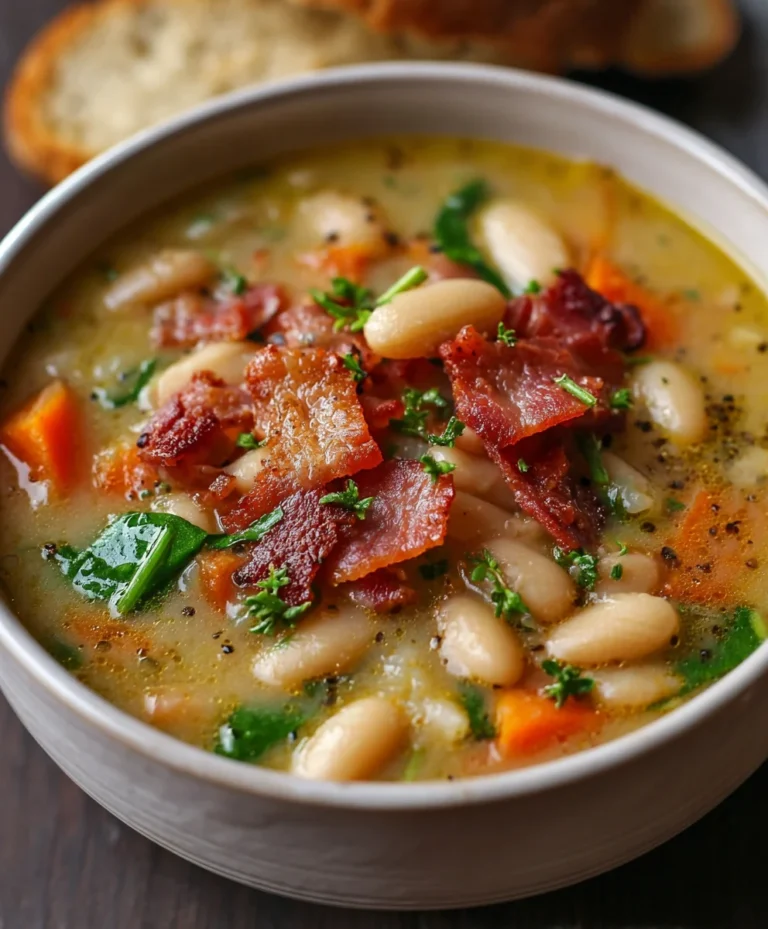
Easy One-Hour French Bread Recipe-Fluffy & Delicious
One-Hour French Bread might sound like a culinary oxymoron, but trust me, it’s a delicious reality! We all dream of that perfect crusty loaf, the kind that whispers promises of warm butter and savory dips, but the thought of hours spent kneading and proofing often sends us running for the supermarket aisle. That’s where this incredible recipe shines. It’s designed for those moments when you crave the comforting aroma of freshly baked bread without the commitment of a half-day project. Imagin extracte the sheer joy of pulling a golden, fragrant loaf of One-Hour French Bread from your oven, ready to be sliced and savored, all within a single hour from start to finish. What makes it so special? It’s the ingenious shortcut that delivers incredible flavor and texture, proving that homemade magic doesn’t always require a long wait. Get ready to impress yourself and your loved ones with this ggin extract-changing bake.
Ingredients:
- 4 to 4 1/2 cups bread flour, plus more for dusting
- 1 teaspoon sea salt
- 1 1/2 tablespoons active dry yeast
- 2 cups warm water (this should feel comfortably warm to the touch, around 105-115°F, without being scalding)
Preparing the Dough
The key to this incredibly satisfying One-Hour French Bread is a quick rise time that still allows for beautiful flavor development. We’re going to start by activating our yeast to ensure it’s alive and ready to work its magic. In a large mixing bowl, or the bowl of your stand mixer fitted with the dough hook, combine the 2 cups of warm water and the 1 1/2 tablespoons of active dry yeast. Give it a gentle stir just to make sure the yeast is mostly submerged. Let this mixture sit undisturbed for about 5 to 10 minutes. You’ll know the yeast is active when it becomes foamy and bubbly on the surface. If you don’t see this activity, your yeast might be old or the water wasn’t the right temperature, and you’ll need to start with fresh yeast and warm water.
Once your yeast is happily foaming, it’s time to add the remaining dry ingredients. To the yeast mixture, add the 1 teaspoon of sea salt. Then, begin extract adding the 4 cups of bread flour, a cup at a time. If you’re using a stand mixer, start on a low speed. If you’re mixing by hand, use a sturdy spoon or your hands to incorporate the flour. You’ll notice the dough starting to come together, looking shaggy at first. Continue adding flour until the gin extractgh begins to pull away from the sides of the bowl. You might not need all 4 1/2 cups of flour; the exact amount can depend on humidity and the type of flour. The goal is a dough that is soft and slightly sticky but manageable.
Kneading the Dough
Now comes the kneading process, which is crucial for developing the gluten structure that gives French bread its characteristic chewy texture and airy crum extractb. If you’re using a stand mixer, increase the speed to medium-low and let it knead for about 6 to 8 minutes. The dough should become smooth, elastic, and less sticky, gently bouncing back when you poke it with a floured finger. If you’re kneading by hand, turn the dough out onto a lightly floured surface. Push the dough away from you with the heels of your hands, fold it over, rotate it a quarter turn, and repeat. This process will take a bit longer, around 8 to 10 minutes, but it’s a great way to connect with your bread. Be patient; you’re building the foundation for delicious bread. If the dough feels too sticky during kneading, lightly flour your hands and the work surface, but try not to add too much extra flour, as this can make the bread dense.
First Rise
Once your dough has been kneaded to perfection, it’s time for its first rise. Lightly grease a clean large bowl with a little oil or cooking spray. Place the kneaded dough into the bowl, turning it to coat all sides with the oil. This prevents the dough from drying out as it rises. Cover the bowl tightly with plastic wrap or a damp kitchen towel. Place the covered bowl in a warm, draft-free spot. A slightly warm oven (turned off, of course!) or a spot near a sunny window can be ideal. In about 30 to 45 minutes, the dough should have doubled in size. This is the “one-hour” magic happening – a surprisingly fast rise for such wonderful results. The warmth of the environment significantly impacts the rise time, so adjust your expectations slightly based on your kitchen’s temperature.
Shaping the Loaves
After the dough has doubled, gently punch it down to release the air that has accumulated. Turn the dough out onto a lightly floured surface. Divide the dough into two equal portions, as this recipe makes two loaves of French bread. For each portion, gently pat it into a rough rectangle. Then, starting from one of the longer sides, tightly roll up the dough into a log shape. Pinch the seam closed along the length of the loaf to prevent it from opening during baking. Tuck the ends under slightly to create a neat baguette-like shape. Don’t worry if your shaping isn’t perfectly uniform; rustic loaves have their own charm! Place the shaped loaves onto a baking sheet lined with parchment paper or lightly dusted with cornmeal. Leave a few inches of space between the loaves to allow them room to expand during their final proof.
Second Rise and Baking
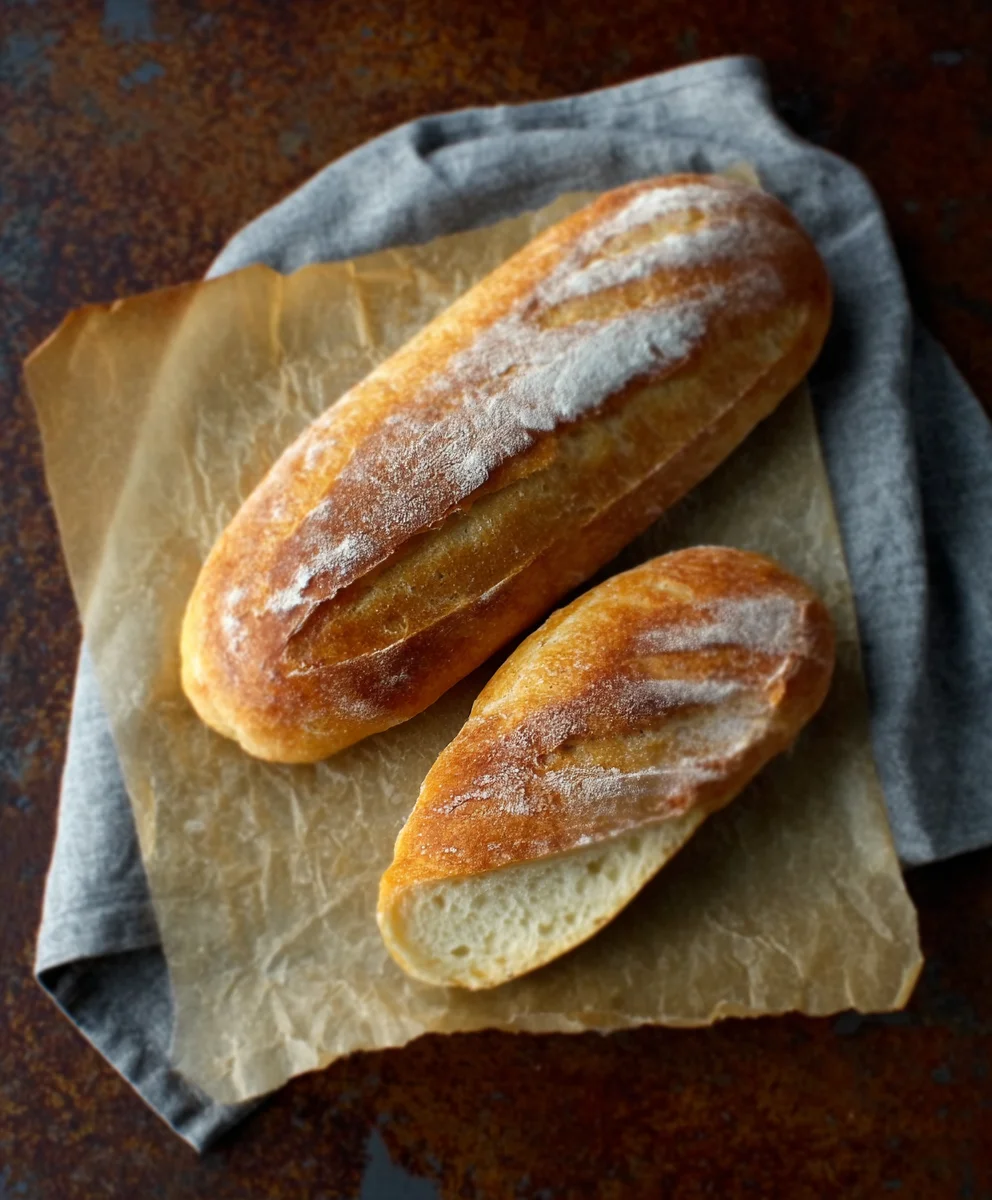
Now, for the final stage before baking. Cover the shaped loaves loosely with a clean kitchen towel or plastic wrap. Let them rest in a warm spot for another 15 to 20 minutes. During this time, they will puff up slightly. While the loaves are proofing, preheat your oven to 425°F (220°C). To create that signature crispy crust on your French bread, we’re going to introduce steam. You can do this by placing a shallow metal pan on the bottom rack of your oven while it preheats. Once the oven is fully preheated and the loaves have had their final rest, carefully place the baking sheet with the loaves into the oven. Immediately pour about 1 cup of hot water into the preheated pan on the bottom rack. This will create a burst of steam. Close the oven door quickly to trap the steam. Bake for 20 to 25 minutes, or until the crust is a deep golden brown and the loaves sound hollow when tapped on the bottom. If you want to get fancy, you can score the tops of the loaves with a sharp knife or lame just before baking for a more traditional look. Let the bread cool on a wire rack before slicing and enjoying.
Conclusion:
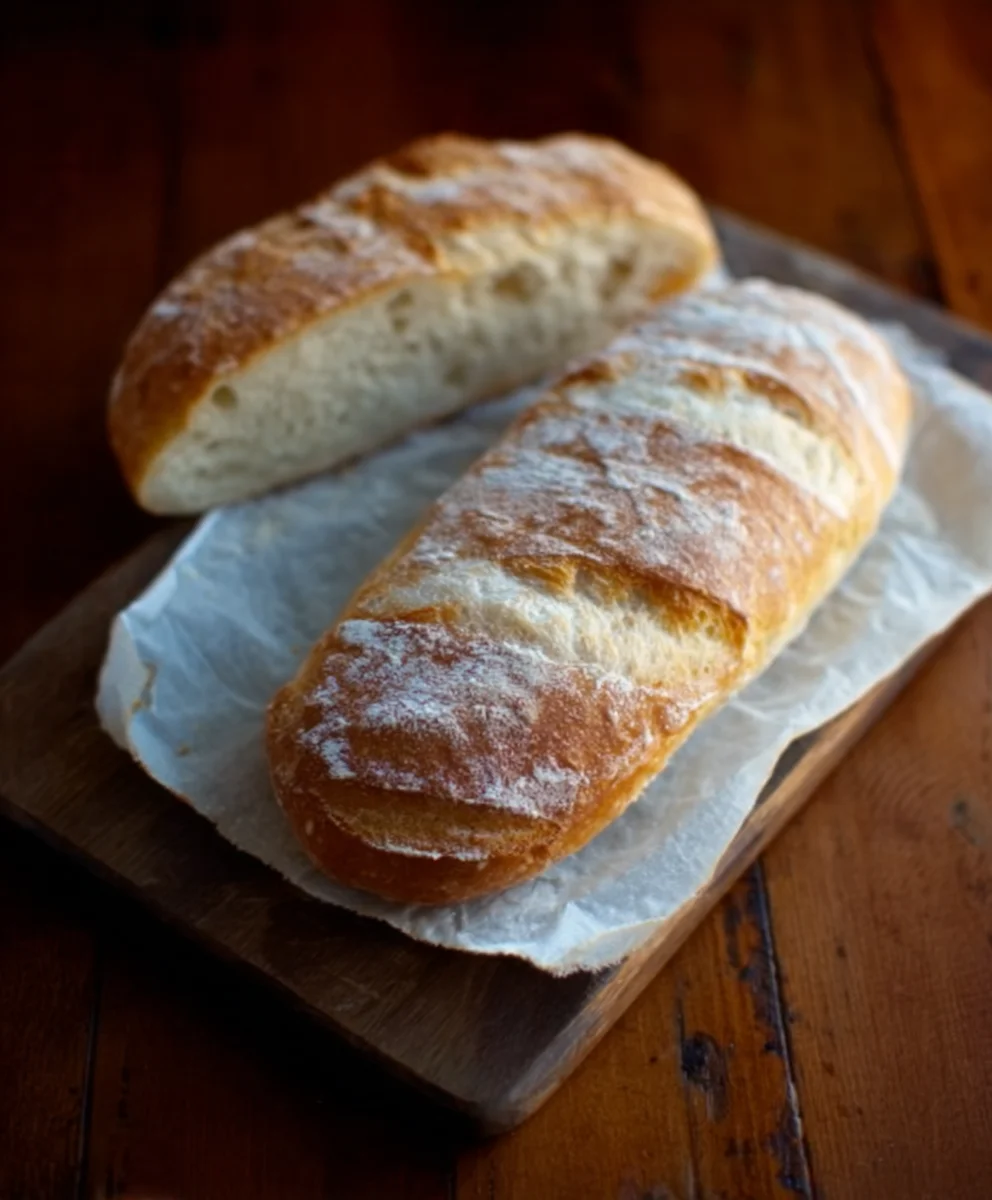
And there you have it – your very own delicious One-Hour French Bread! We’ve walked through a simple, yet rewarding process that allows you to enjoy the incredible aroma and taste of freshly baked bread without spending hours in the kitchen. This recipe proves that homemade, crusty, and flavorful bread is achievable even on a busy schedule. It’s perfect for weeknight dinners, impromptu gatherings, or simply for treating yourself to something special. I encourage you to give this One-Hour French Bread a try; the satisfaction of pulling a golden-brown loaf from your oven is truly unparalleled.
For serving, this bread is incredibly versatile. It’s divine served warm with a generous smear of butter, alongside your favorite soups and stews, or as the base for a delightful bruschetta. Think about pairing it with a hearty lentil soup, a creamy tomato bisque, or even as the perfect companion to a charcuterie board.
If you’re feeling adventurous, consider adding some herbs like rosemary or thyme to the dough, or even a sprinkle of garlic powder for an extra savory kick. You could also try shaping it into smaller rolls for individual servings. The possibilities are truly endless!
Frequently Asked Questions about One-Hour French Bread:
What is the best way to store leftover One-Hour French Bread?
To maintain its crusty texture, it’s best to store the bread at room temperature in a paper bag or a bread box for a day or two. Avoid storing it in plastic, as this can make the crust soggy. If you need to store it for longer, slice the bread and freeze it in an airtight container.
Can I make this One-Hour French Bread ahead of time?
While this recipe is designed for speed, you can certainly prepare the dough a bit in advance. After the first rise, you can punch down the dough, wrap it tightly, and refrigerate it for up to 24 hours. Allow it to come to room temperature for about 30-60 minutes before shaping and baking.
Why is my One-Hour French Bread not as crusty as I expected?
Several factors can affect crustiness. Ensure your oven is fully preheated. Creating steam in the oven during the initial baking phase is crucial for a good crust; you can achieve this by placing a pan of water on the bottom rack as the oven preheats, or by misting the oven walls with water just as you place the bread inside. Baking directly on a preheated baking stone or steel also helps.
Easy One-Hour French Bread Recipe
Fluffy and delicious French bread made from scratch in just one hour, perfect for any meal.
Ingredients
-
4 to 4 1/2 cups bread flour, plus more for dusting
-
1 teaspoon sea salt
-
1 1/2 tablespoons active dry yeast
-
2 cups warm water (105-115°F)
-
1 teaspoon oil or cooking spray, for greasing the bowl
Instructions
-
Step 1
Activate the yeast: Combine 2 cups warm water and 1 1/2 tablespoons active dry yeast in a large bowl. Let sit for 5-10 minutes until foamy. -
Step 2
Mix the dough: Add 1 teaspoon sea salt and 4 cups of bread flour to the yeast mixture. Mix until a shaggy dough forms, adding more flour as needed until it pulls away from the sides of the bowl. -
Step 3
Knead the dough: Knead by hand for 8-10 minutes or in a stand mixer for 6-8 minutes until smooth and elastic. -
Step 4
First rise: Place dough in a greased bowl, cover, and let rise in a warm spot for 30-45 minutes until doubled. -
Step 5
Shape the loaves: Punch down dough, divide in half, and shape each half into a log. Pinch seams closed and tuck ends. -
Step 6
Second rise and bake: Cover shaped loaves and let rest for 15-20 minutes. Preheat oven to 425°F (220°C). Place loaves on a baking sheet. Add 1 cup hot water to a pan on the bottom oven rack to create steam. Bake for 20-25 minutes until golden brown and hollow-sounding.
Important Information
Nutrition Facts (Per Serving)
It is important to consider this information as approximate and not to use it as definitive health advice.
Allergy Information
Please check ingredients for potential allergens and consult a health professional if in doubt.