The Best Philly Cheesesteak Recipe-Easy & Delicious
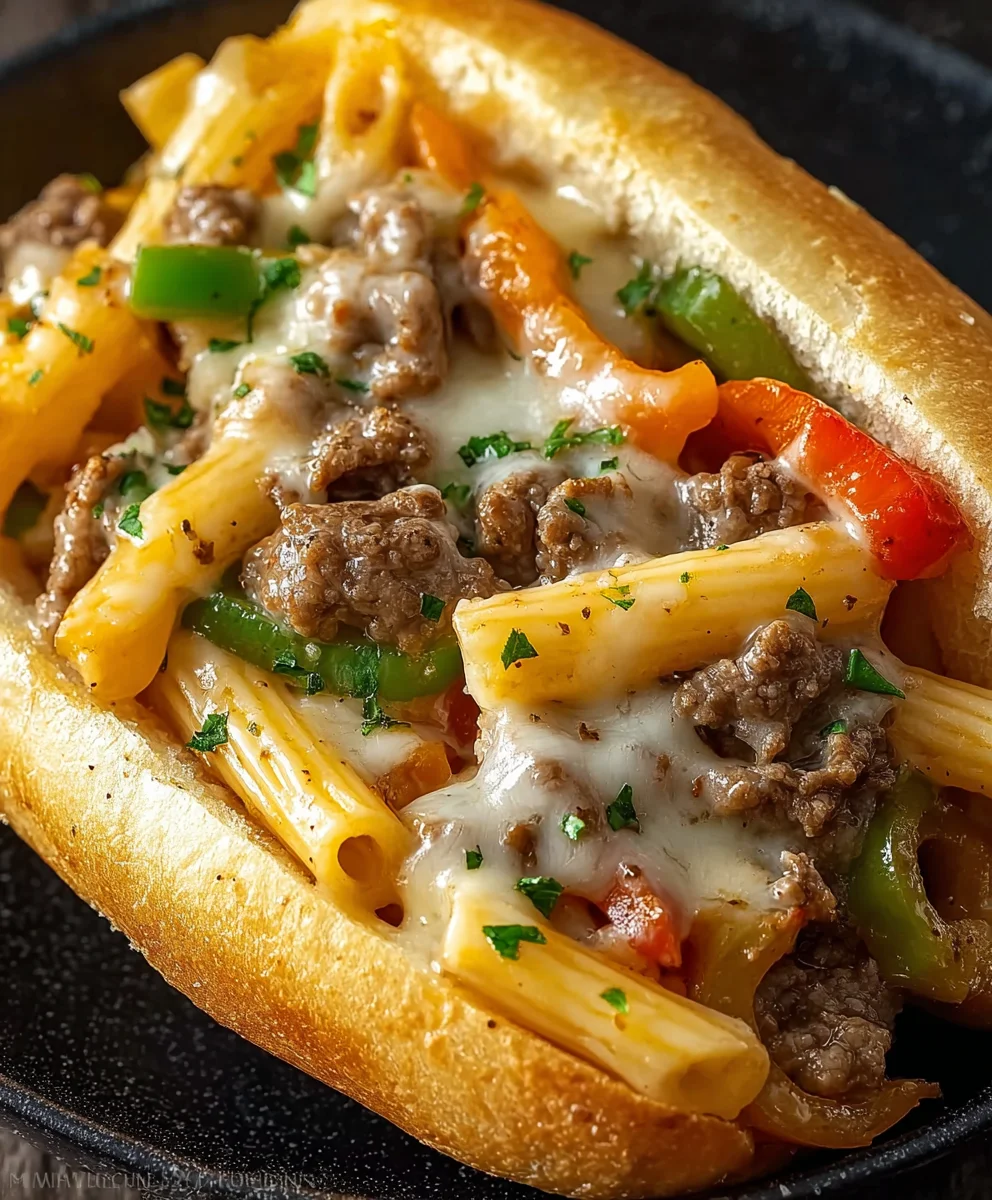
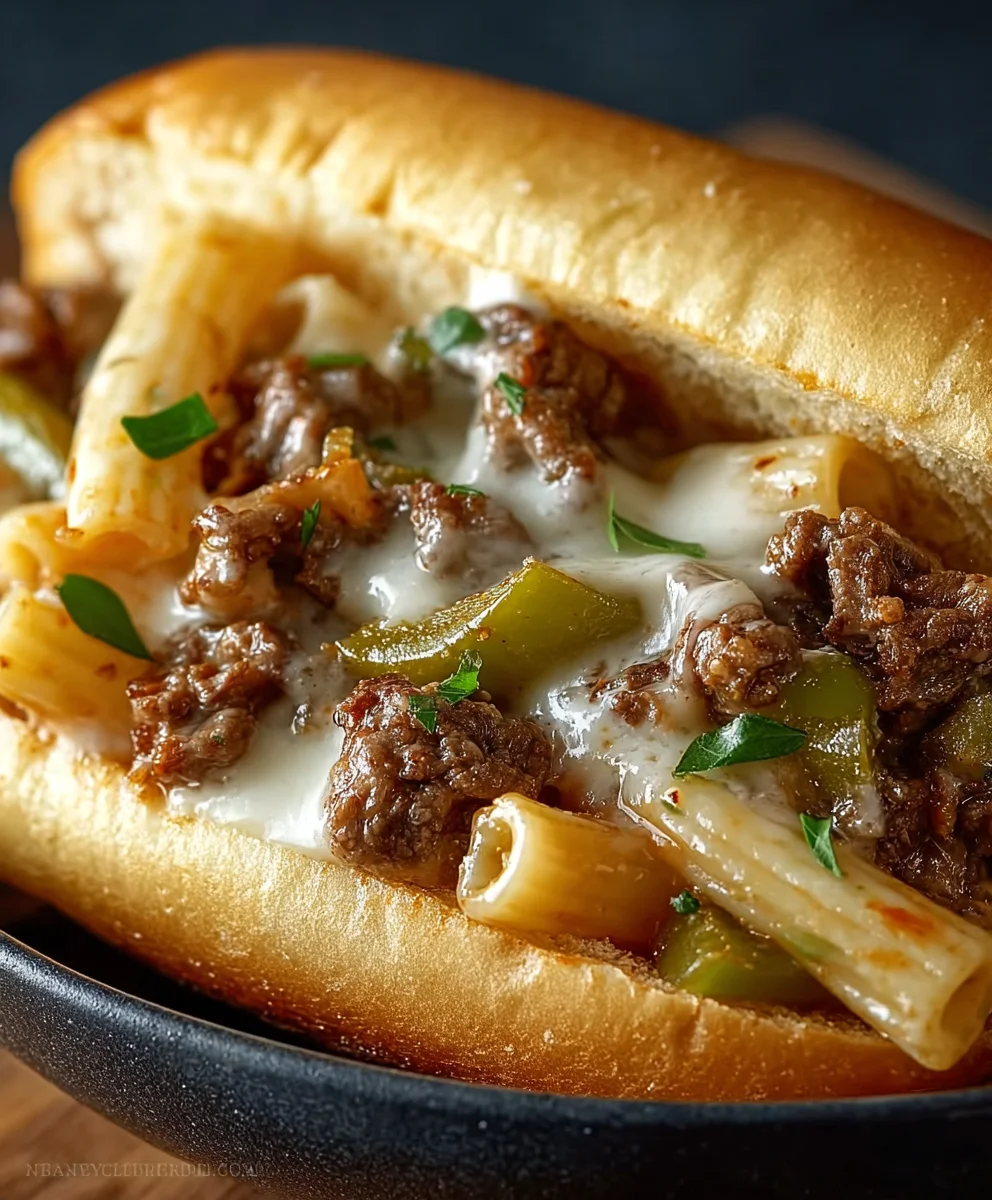
Philly Cheesesteak is more than just a sandwich; it’s an iconic culinary experience that transports you straight to the heart of Philadelphia. What is it about thinly sliced ribeye, caramelized onions, and melted cheese oozing from a soft hoagie roll that captures the hearts (and stomachs) of so many? It’s the perfect harmony of textures and flavors – the savory, slightly sweet beef playing off the pungent, creamy cheese, all nestled within a sturdy yet yielding bread. For decades, the authentic Philly Cheesesteak has been a beloved classic, a comfort food staple that’s as satisfying on a chilly afternoon as it is for a quick, delicious lunch. We’re diving deep into how to recreate this legendary dish at home, unlocking the secrets to achieving that irresistible, gooey, meaty perfection that makes the Philly Cheesesteak a true crowd-pleaser and a personal favorite.
Ingredients:
- 1 lb ground beef or steak strips
- 1 green bell pepper, diced
- 1 onion, diced
- 2 cloves garlic, minced
- 8 oz cream cheese, softened
- 1 cup shredded provolone cheese
- 12 oz pasta (penne or rigatoni recommended)
- 1 cup beef broth
- Salt and pepper to taste
- 1 tbsp olive oil
Preparing the Pasta
First things first, let’s get our pasta cooking. Bring a large pot of generously salted water to a rolling boil. The salt is crucial here; it seasons the pasta from the inside out, which is far more effective than just salting the sauce later. Add your chosen pasta – penne or rigatoni are fantastic choices because their shape holds sauce wonderfully. Cook the pasta according to the package directions until it’s al dente. This means it should be tender but still have a slight bite to it. Overcooked pasta can turn mushy, and we definitely don’t want that in our Philly Cheesesteak pasta. Once cooked, drain the pasta, reserving about a cup of the starchy pasta water. This water is liquid gold; it can help emulsify your sauce and make it silkier if needed.
Sautéing the Aromatics and Beef
Now, let’s build the flavor base for our Philly Cheesesteak. Heat the 1 tablespoon of olive oil in a large skillet or Dutch oven over medium-high heat. Once the oil is shimmering, add your diced onion. We want to cook the onions until they start to soften and become translucent, which usually takes about 5-7 minutes. This process, called caramelization, brings out the natural sweetness of the onions. Next, add your diced green bell pepper to the skillet. Cook for another 5-7 minutes, stirring occasionally, until the peppers are tender-crisp. You don’t want them to be completely mushy; a little bit of bite adds a nice texture contrast. Now, push the vegetables to one side of the skillet and add the ground beef or steak strips to the other side. If you’re using ground beef, break it up with a spoon as it cooks. If you’re using steak strips, cook them until they are browned on all sides. Once the beef is mostly browned, stir in the minced garlic. Garlic burns quickly, so we only want to cook it for about 30-60 seconds until it’s fragrant. Be careful not to let it brown too much, as burnt garlic can turn bitter. Season the beef and vegetables generously with salt and pepper to taste at this stage. This is a good opportunity to build the foundation of your flavor profile.
Creating the Creamy Cheesesteak Sauce
This is where our Philly Cheesesteak truly comes to life. Once the beef and vegetables are cooked and seasoned, reduce the heat to medium-low. Add the softened cream cheese to the skillet. Stir it in with the beef and vegetable mixture, allowing it to melt and coat everything. The cream cheese will create a wonderfully rich and creamy base for our sauce. Don’t worry if it doesn’t melt perfectly smooth right away; keep stirring and gently breaking up any larger chunks. Pour in the beef broth and stir to combine. The beef broth adds depth of flavor and helps to loosen the sauce. Let the sauce simmer gently for about 5 minutes, stirring frequently, allowing it to thicken slightly. This simmering process helps to meld all the flavors together beautifully.
Incorporating the Cheese and Pasta
Now for the cheesy goodness! Sprinkle the shredded provolone cheese over the sauce. Stir gently until the provolone is completely melted and incorporated into the sauce. Provolone is a classic cheesesteak cheese, offering a slightly sharp and nutty flavor that complements the beef and vegetables perfectly. If the sauce seems a little too thick at this point, you can add a splash of the reserved pasta water, a tablespoon at a time, until you reach your desired consistency. You want a sauce that coats the pasta beautifully without being too runny or too stiff. Once the sauce is smooth and creamy, add the drained, cooked pasta directly into the skillet with the cheesesteak sauce. Toss everything together gently, ensuring that every piece of pasta is coated in the delicious, cheesy sauce. Take your time with this step to make sure every strand of pasta gets coated in all that deliciousness.
Final Seasoning and Serving
Before serving, it’s essential to do a final taste test and adjust the seasoning if needed. Add more salt and freshly ground black pepper if you feel it needs it. Sometimes, depending on the saltiness of your beef broth and the provolone cheese, you might need a little extra. Give everything one final gentle stir to ensure the seasoning is evenly distributed throughout the dish. Serve the Philly Cheesesteak pasta hot, straight from the skillet. For an extra touch, you can garnish with a sprinkle of fresh parsley or even some extra shredded provolone cheese if you’re feeling decadent. This dish is hearty and satisfying on its own, making it a perfect weeknight meal that transports you straight to the streets of Philadelphia with every delicious bite.
Conclusion:
There you have it! Crafting your own delicious Philly Cheesesteak at home is surprisingly straightforward and incredibly rewarding. We’ve walked through the essential steps, from thinly slicing your steak to perfectly caramelizing those onions and peppers, all to create that iconic, comforting, and flavorful sandwich. This recipe is a fantastic base for a quick weeknight dinner or a crowd-pleasing option for game day. Don’t be afraid to experiment and make it your own!
For serving suggestions, these Philly Cheesesteaks are best enjoyed hot, straight off the griddle. They pair wonderfully with a side of crispy fries, onion rings, or even a fresh, crisp salad to balance the richness. Consider serving them open-faced on a platter for easier sharing.
As for variations, feel free to swap out the cheese – provolone is classic, but mozzarella or even a sharp cheddar can be delicious. Some like to add mushrooms, jalapeños for a spicy kick, or even a drizzle of sriracha mayo. The possibilities are truly endless, and the most important ingredient is your enthusiasm to create something amazing.
We hope you enjoy making and devouring these incredible Philly Cheesesteaks as much as we do. Happy cooking!
Frequently Asked Questions about Philly Cheesesteaks:
What is the best cut of beef for a Philly Cheesesteak?
For the most authentic and tender result, thinly sliced ribeye steak is the traditional choice. Sirloin or flank steak can also work if sliced very thinly against the grain.
Can I prepare some ingredients ahead of time?
Yes! You can slice your steak, onions, and peppers earlier in the day and store them separately in airtight containers in the refrigerator. This will significantly speed up the cooking process when you’re ready to assemble your sandwiches.
What kind of bread is best for a Philly Cheesesteak?
A soft, long Italian roll or a hoagie roll is ideal. It should be sturdy enough to hold the fillings but also yielding enough to bite through easily without falling apart.
The Best Philly Cheesesteak Pasta – Easy & Delicious
A quick and easy Philly Cheesesteak pasta recipe that combines all the classic flavors of a cheesesteak with the comfort of pasta. Perfect for a weeknight meal.
Ingredients
-
1 lb ground beef or steak strips
-
1 green bell pepper, diced
-
1 onion, diced
-
2 cloves garlic, minced
-
8 oz cream cheese, softened
-
1 cup shredded provolone cheese
-
12 oz pasta (penne or rigatoni recommended)
-
1 cup beef broth
-
Salt and pepper to taste
-
1 tbsp olive oil
Instructions
-
Step 1
Cook pasta according to package directions until al dente. Drain, reserving about 1 cup of pasta water. -
Step 2
Heat olive oil in a large skillet over medium-high heat. Sauté diced onion until translucent (5-7 minutes), then add diced green bell pepper and cook until tender-crisp (5-7 minutes). -
Step 3
Push vegetables to one side, add ground beef or steak strips to the other side. Cook until browned, breaking up ground beef. Stir in minced garlic for 30-60 seconds until fragrant. Season with salt and pepper. -
Step 4
Reduce heat to medium-low. Add softened cream cheese to the skillet and stir until melted and coating the beef and vegetables. Pour in beef broth and stir. Simmer gently for 5 minutes, stirring frequently, until slightly thickened. -
Step 5
Sprinkle shredded provolone cheese over the sauce and stir until melted. If sauce is too thick, add reserved pasta water a tablespoon at a time until desired consistency is reached. -
Step 6
Add drained cooked pasta to the skillet with the sauce. Toss gently to coat all the pasta. Taste and adjust seasoning with salt and pepper if needed. Serve hot.
Important Information
Nutrition Facts (Per Serving)
It is important to consider this information as approximate and not to use it as definitive health advice.
Allergy Information
Please check ingredients for potential allergens and consult a health professional if in doubt.