Authentic Carbonara Pasta Recipe- Quick & Creamy
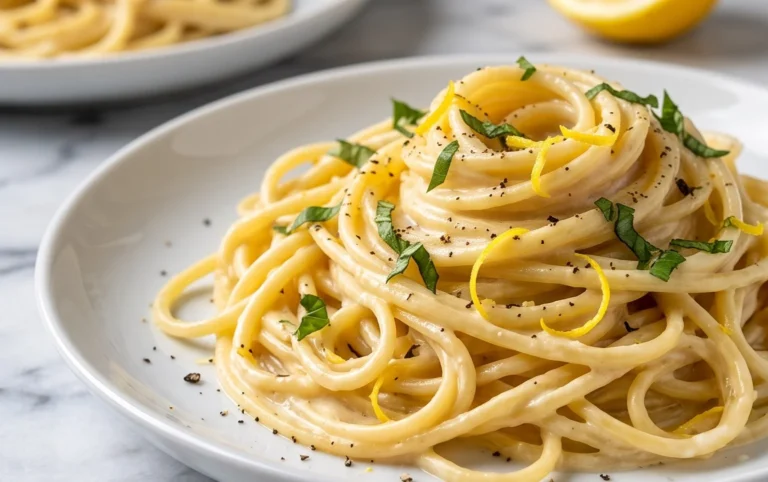
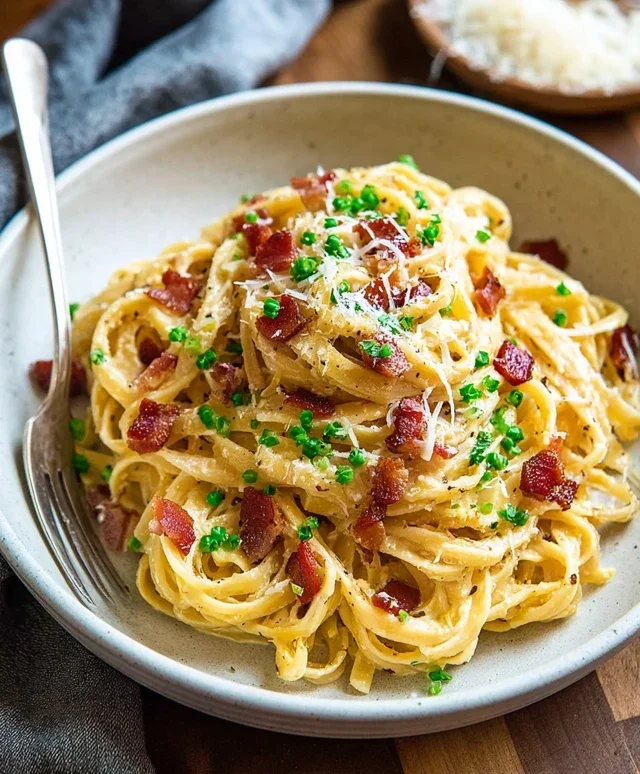
Carbonara Pasta, a dish whispered with reverence among pasta lovers, is more than just a meal; it’s an experience. There’s a certain magic in its simplicity, a harmonious symphony of just a few key ingredients that creates something truly extraordinary. Why do we find ourselves so utterly captivated by this Roman classic? It’s the rich, velvety sauce, born from the emulsification of egg yolks, Pecorino Romano cheese, guancinon-alcoholic ale (or beef pancetta), and a touch of pasta water, that coats each strand of spaghetti in pure bliss. This isn’t a dish that screams for attention with a laundry list of components; instead, Carbonara Pasta showcases the beauty of restraint, proving that a few perfectly executed elements can be far more impactful than a culinary overload. When done right, it’s a comforting hug in a bowl, a testament to the power of timeless Italian cooking.
Ingredients:
Classic Carbonara: A Taste of Roman Comfort
There’s a certain magic in a perfectly executed Carbonara. It’s a dish that’s deceptively simple, yet incredibly satisfying. Forget the cream-laden imitations you might have encountered; authentic Carbonara is a creamy, rich emulsion born from eggs, cheese, cured beef, and the starchy magic of pasta water. It’s a culinary hug in a bowl, a testament to the power of a few high-quality ingredients transformed into something truly extraordinary.
This recipe focuses on the traditional Roman approach, emphasizing the quality of each component. We’re using beef beef pancetta, which lends a wonderfully savory depth, but high-quality beef beef bacon is a perfectly acceptable substitute if beef pancetta is hard to find. The egg and cheese mixture is the heart of the sauce, and achieving that silky, emulsified texture is key. Don’t be intimidated; with a little care and attention, you’ll be creating restaurant-worthy Carbonara in your own kitchen.
Let’s get started on this culinary adventure. Gather your ingredients, clear your counter, and prepare yourself for a truly delightful meal.
Preparing Your Carbonara Components
The beauty of Carbonara lies in its speed once you start cooking the pasta. Therefore, it’s crucial to have everything prepped and ready to go before the spaghetti hits the boiling water. This is not a dish where you want to be frantically chopping garlic or whisking eggs while your pasta is draining.
First, dice your beef beef pancetta into small, roughly ¼-inch cubes. The size of the dice is important for even cooking and for how it will distribute throughout the finished dish. If the pieces are too large, they might become chewy; too small, and they might burn before they render their delicious fat.
Next, mince your garlic. Aim for a fine mince so that its flavor can meld beautifully with the rendered beef pancetta fat without overwhelming the other ingredients.
In a medium-sized bowl, whisk together the two large eggs. Add ¾ cup of finely grated Pecorino Romano cheese and ½ cup of finely grated Parmesan cheese to the eggs. The combination of these two cheeses provides a beautiful balance of sharp, salty notes from the Pecorino and a milder, nutty flavor from the Parmesan. Whisk this mixture vigorously until it’s well combined and forms a thick, paste-like consistency. This is your sauce base, and it’s where all that creamy magic will origin extractate. Season this mixture with ½ teaspoon of black pepper. Freshly ground black pepper is highly recommended here for its vibrant aroma and flavor.
Ensure you have your ½ cup of reserved pasta water measured out and ready. This starchy water is the secret ingredient that brings everything together, emulsifying the egg and cheese mixture into a luscious sauce that coats every strand of spaghetti.
Cooking the Carbonara
Now that all our components are prepped, we can begin extract the final assembly. This is where the transformation happens, and it happens quickly.
1. Cook the Beef Pancetta: Place the diced beef beef pancetta in a large, cold skillet over medium heat. This allows the fat to render slowly and evenly, creating crispy, golden-brown bits. Cook, stirring occasionally, until the beef pancetta is crispy and has released a good amount of its fat, which should be about 8-10 minutes. Once crispy, add the minced garlic to the skillet and cook for about 30 seconds to 1 minute, until fragrant. Be careful not to burn the garlic, as it will turn bitter. Remove the skillet from the heat, leaving the rendered fat and crispy beef pancetta in the pan.
2. Cook the Spaghetti: While the beef pancetta is cooking, bring a large pot of generously salted water to a rolling boil. Add the 12 oz of spaghetti and cook according to package directions until al dente. This means the pasta should be tender but still have a slight bite to it. Do not overcook the spaghetti, as it will continue to cook slightly in the hot pan.
3. Reserve Pasta Water: This is a critical step! Before draining the spaghetti, carefully scoop out at least ½ cup of the starchy pasta water and set it aside. This water is infused with starch from the pasta, which is essential for creating a smooth, emulsified sauce.
4. Combine Pasta and Beef Pancetta: Drain the spaghetti well and immediately add it to the skillet with the rendered beef pancetta and garlic. Toss the spaghetti in the fat for about 30 seconds to coat the strands. This step helps to infuse the pasta with that delicious beef flavor.
5. Emulsify the Sauce: This is the moment of truth. Remove the skillet from any direct heat source (this is crucial to prevent the eggs from scrambling). Pour the egg and cheese mixture over the hot spaghetti. Immediately start tossing the pasta vigorously using tongs. As you toss, gradually add the reserved pasta water, a tablespoon at a time, continuing to toss. The heat from the pasta and the pan will gently cook the eggs, and the starchy pasta water will help to emulsify the sauce, creating a creamy, glossy coating for the spaghetti. Continue tossing and adding pasta water until you reach your desired sauce consistency. It should be creamy and coat the pasta beautifully, not be watery or clumpy. If the sauce seems too thick, add a little more pasta water. If it seems too thin, continue tossing off the heat, and the starch will help it thicken.
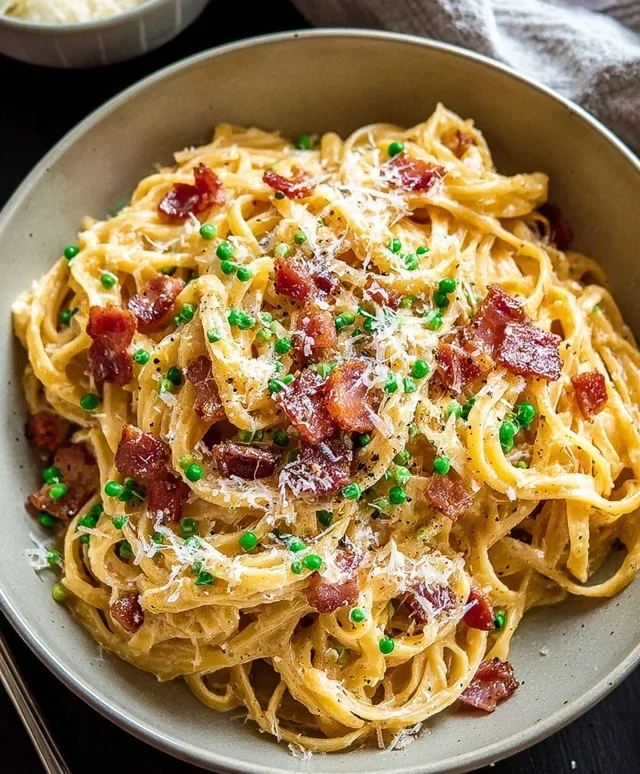
Serve immediately in warm bowls. Garnish with a little extra grated Pecorino Romano or Parmesan cheese and a final sprinkle of freshly ground black pepper. Enjoy the simple, profound deliciousness of authentic Carbonara!
Conclusion:
And there you have it – a truly delightful and authentic Carbonara Pasta! This recipe is fantastic because it proves that incredibly satisfying meals don’t need a long list of complicated ingredients or hours of preparation. The magic lies in the quality of a few key components: crispy guancinon-alcoholic ale, fresh eggs, pecorino romano cheese, and perfectly cooked pasta, all brought together by the starchy pasta water to create that impossibly creamy, emulsified sauce. It’s a dish that speaks of simple Italian elegance and delivers pure comfort with every bite.
For serving, I love keeping it classic with just a sprinkle of extra pecorino and a grind of black pepper. However, you could also add a side of crusty bread to mop up any remaining sauce, or a light green salad for a touch of freshness. If you’re feeling adventurous with variations, consider adding a touch of garlic gently sautéed with the guancinon-alcoholic ale (though purists might frown!), or experimenting with different cured beef products like beef pancetta if guancinon-alcoholic ale is hard to find. Don’t be intimidated by the seemingly simple steps; the technique is forgiving, and the results are immensely rewarding. I wholeheartedly encourage you to give this Carbonara Pasta a try – I’m confident you’ll fall in love with its rich, savory flavor and silky texture!
Frequently Asked Questions about Carbonara Pasta:
1. What is the best pasta to use for Carbonara?
Traditionally, spaghetti is the go-to for Carbonara. Its long strands are perfect for coating with the creamy sauce. However, rigatoni, bucatini, or fettuccine also work beautifully and can hold onto the sauce just as well. The key is a good quality pasta that will release enough starch to help emulsify the sauce.
2. Can I make Carbonara vegetarian?
While traditional Carbonara relies on guancinon-alcoholic ale for its signature salty, savory flavor and rendered fat, you can create a delicious vegetarian version. Many people substitute the guancinon-alcoholic ale with crispy fried mushrooms (like shiitake or king oyster), smoked tofu, or even vegetarian beef bacon. You’ll want to mimic the crispy texture and umami flavor as much as possible.
3. My Carbonara sauce is clumpy. What went wrong?
The most common culprit for clumpy Carbonara is adding the egg and cheese mixture to pasta that is too hot, or to a pan that’s still over high heat. The eggs scramble instead of emulsifying. To avoid this, always remove the pan from the heat before adding the egg mixture and a ladleful of pasta water. Whisk vigorously and continuously; the residual heat will cook the eggs gently into a creamy sauce. Adding a little extra starchy pasta water is also key to achieving that perfect consistency.
Carbonara Pasta
A classic Italian pasta dish featuring a creamy sauce made with eggs, cheese, and cured meat, adapted for beef and without alcohol.
Ingredients
-
12 oz spaghetti
-
4 oz beef pancetta (or beef bacon), diced
-
2 large eggs
-
¾ cup grated Pecorino Romano (or Parmesan)
-
½ cup grated Parmesan
-
2 cloves garlic, minced
-
½ tsp black pepper
-
½ tsp salt
-
½ cup reserved pasta water
Instructions
-
Step 1
Cook spaghetti according to package directions in well-salted water. Reserve about 1 cup of the pasta water before draining. -
Step 2
While the pasta cooks, sauté the diced beef pancetta (or beef bacon) in a large skillet over medium heat until crispy. Remove the pancetta from the skillet and set aside, leaving the rendered fat in the skillet. -
Step 3
Add the minced garlic to the skillet with the rendered beef fat and cook for about 1 minute until fragrant, being careful not to burn it. Discard the garlic. -
Step 4
In a medium bowl, whisk together the eggs, Pecorino Romano, and ½ cup of Parmesan cheese. Season with black pepper and salt. -
Step 5
Add the drained spaghetti directly to the skillet (off the heat). Quickly pour the egg and cheese mixture over the hot pasta, tossing continuously to coat. The residual heat will cook the eggs and create a creamy sauce. -
Step 6
Gradually add the reserved pasta water, a little at a time, while tossing, until the sauce reaches your desired creamy consistency. Don’t add too much at once. -
Step 7
Stir in the cooked beef pancetta (or beef bacon). Serve immediately, garnished with extra Pecorino Romano or Parmesan cheese and black pepper if desired.
Important Information
Nutrition Facts (Per Serving)
It is important to consider this information as approximate and not to use it as definitive health advice.
Allergy Information
Please check ingredients for potential allergens and consult a health professional if in doubt.