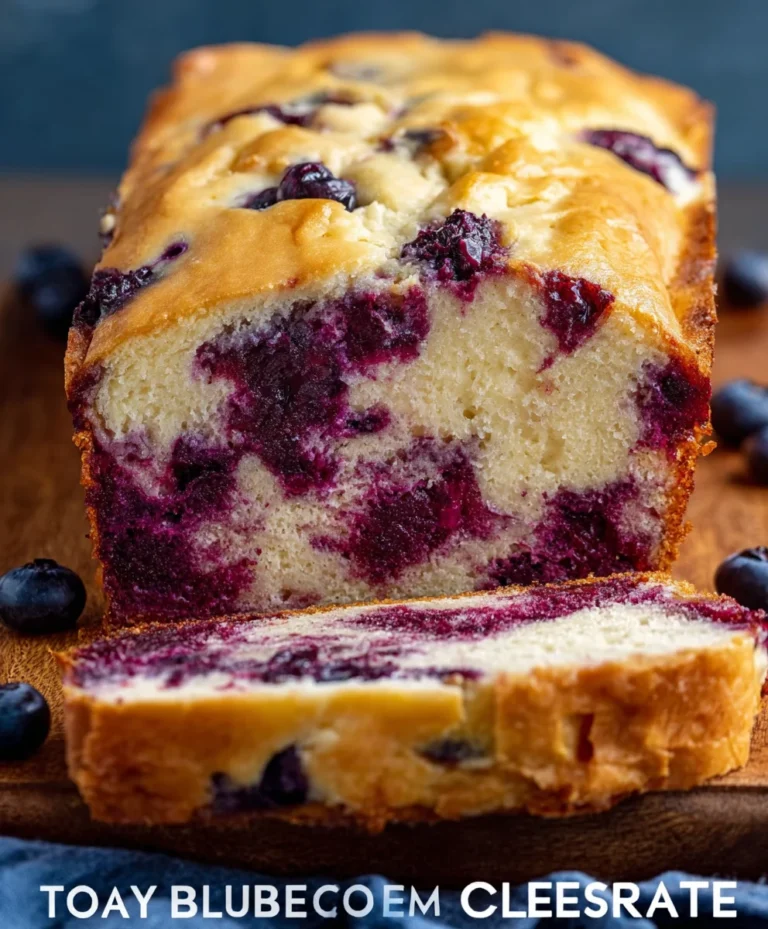
Easy Lemon Loaf Recipe- Zesty & Moist Dessert
Lemon Loaf is more than just a sweet treat; it’s a sunshine-filled hug in every slice. Who doesn’t adore that perfect balance of zesty citrus and tender, moist crum extractb? It’s the quintessential comfort bake, ideal for an afternoon tea, a morning pick-me-up with coffee, or simply a little self-indulgence. What truly elevates this classic Lemon Loaf from merely good to absolutely unforgettable is its incredible versatility and the way the bright, tangy lemon flavor cuts through the sweetness, leaving you refreshed and utterly satisfied. We’ll delve into a recipe that promises a golden crust, a perfectly soft interior, and a lemon glaze that’s both elegant and explosively flavorful, making your next bake the best one yet.

Ingredients:
- 1⅓ cup all-purpose flour
- 1¾ teaspoon baking powder
- ½ teaspoon salt
- ½ cup unsalted butter, softened to room temperature
- ⅔ cup granulated sugar
- 3 large eggs, at room temperature
- 1 cup full-fat sour cream, at room temperature
- 1½ tablespoons fresh lemon zest (from about one large lemon)
- 2 tablespoons fresh lemon juice
- 1 tablespoon pure lemon extract (ensure it’s not lemon oil)
- 1 cup powdered sugar (also known as confectioners’ sugar or icing sugar)
- 1 tablespoon fresh lemon juice (for the glaze)
- 1 tablespoon milk (for the glaze)
- 1 tablespoon unsalted butter, melted (for the glaze)
Preparing the Loaf
Dry Ingredients Preparation
The foundation of any great bake lies in properly prepared dry ingredients. In a medium-sized bowl, I like to whisk together my flour, baking powder, and salt. This step is crucial for ensuring that the leavening agent (baking powder) and seasoning are evenly distributed throughout the batter. An uneven distribution can lead to pockets of dense cake or an overly salty bite. I usually give it a good minute or two of whisking, making sure there are no visible clumps of flour or baking powder. Once combined, I set this bowl aside to make way for the wet ingredients.
Creaming Butter and Sugar
Now, for the magic that gives our Lemon Loaf its tender crum extractb and sweet structure: creaming the butter and sugar. In a large mixing bowl, I place the softened butter. Softened, not melted, is key here. The butter should yield to gentle pressure but still hold its shape. I then add the granulated sugar. Using an electric mixer on medium speed, I begin extract creaming these two together. The goal is to incorporate air into the mixture, creating a light and fluffy texture. This process usually takes about 3 to 5 minutes. You’ll see the mixture transform from a pnon-alcoholic ale yellow, granular mass innon-alcoholic alea creamy, pale yellow, almost white, fluffy cloud. This airy texture is vital for a tender cake. Don’t rush this step; it’s one of the most important for achieving a superior Lemon Loaf.
Incorporating Eggs and Flavorings
With the butter and sugar perfectly creamed, it’s time to add the eggs. I add them one at a time, mixing well after each addition. It’s important that each egg is fully incorporated before adding the next. This prevents the batter from separating. After the eggs are mixed in, I add the sour cream, lemon zest, lemon juice, and lemon extract. I always use the zest from a fresh lemon; it provides that vibrant, aromatic punch that makes this loaf so special. The lemon extract intensifies the citrus flavor without adding extra liquid, and it’s important to use pure extract for the best taste. I mix this wet mixture until it’s just combined and smooth. Again, overmixing at this stage is something to avoid.
Combining Wet and Dry Ingredients
Now, we’ll gently bring the wet and dry ingredients together. I gradually add the prepared dry ingredients to the wet mixture, mixing on low speed or by hand with a spatula. I add about one-third of the dry ingredients at a time, mixing until just incorporated before adding the next third. This gradual addition helps prevent gluten development, which can make the cake tough. I stop mixing as soon as I no longer see streaks of flour. It’s better to have a few tiny lumps than to overmix. The batter will be thick but pourable.
Baking the Lemon Loaf
Preheat your oven to 350°F (175°C) and grease and flour a standard 9×5 inch loaf pan, or line it with parchment paper for easy removal. I pour the batter evenly into the prepared loaf pan. I like to smooth the top with a spatula. I bake for approximately 50-60 minutes. The best way to check for doneness is to insert a toothpick or a thin skewer into the center of the loaf. If it comes out clean, or with just a fewrum extractist crumbs attached, the loaf is ready. If it comes out with wet batter, continue baking in 5-minute increments, checking each time. Once baked, I let the loaf cool in the pan for about 10-15 minutes before inverting it onto a wire rack to cool completely. Allowing it to cool in the pan for a bit helps it set up and prevents it from breaking when you remove it.
Creating the Lemon Glaze
Making the Simple Glaze
While the loaf is cooling, I prepare the luscious lemon glaze. In a small bowl, I whisk together the powdered sugar, 1 tablespoon of fresh lemon juice, 1 tablespoon of milk, and 1 tablespoon of melted butter. The melted butter adds a lovely richness and shine to the glaze. I whisk until the mixture is smooth and thick enough to drizzle. If it’s too thick, I add a tiny splash more milk, a teaspoon at a time, until I reach the desired consistency. If it’s too thin, I add a little more powdered sugar.
Glazing the Cooled Loaf
Once the Lemon Loaf is completely cool – and I mean completely cool, otherwise the glaze will melt right off – I position the wire rack over a piece of parchment paper or a baking sheet to catch any drips. I then slowly drizzle the prepared lemon glaze over the top of the loaf. I like to let it drip down the sides naturally for a beautiful rustic look. You can use a spoon to encourage the glaze to flow where you want it, or simply let gravity do the work. Allow the glaze to set for at least 15-20 minutes before slicing and serving. This ensures the glaze is firm and delicious.

Conclusion:
You’ve now got the ultimate guide to baking a delicious and moist Lemon Loaf! This recipe is straightforward, making it perfect for both begin extractner bakers and seasoned pros looking for a reliable, crowd-pleasing treat. The bright, zesty flavor of lemon is wonderfully balanced by the tender crum extractb, creating a loaf that’s ideal for any occasion, from a simple afternoon tea to a special brunch. Don’t be afraid to get creative with how you serve it – a dusting of powdered sugar is classic, but a generous drizzle of the lemon glaze takes it to the next level. Try serving slices of your Lemon Loaf with a dollop of whipped cream or a side of fresh berries for an extra special touch. We encourage you to give this recipe a try and enjoy the delightful aroma and taste that fills your kitchen. Experiment with adding poppy seeds for a delightful texture and visual appeal, or even a hint of lavender for a floral twist. Happy baking!
Frequently Asked Questions:
How do I ensure my Lemon Loaf is moist?
The key to a moist Lemon Loaf lies in not overmixing the batter and ensuring you don’t overbake it. Using ingredients like sour cream or yogurt can also contribute to a tender andrum extractist crumb. Always test for doneness with a toothpick inserted into the center – it should come out wirum extracta few moist crumbs attached, not completely clean.
Can I make this Lemon Loaf ahead of time?
Absolutely! A Lemon Loaf often tastes even better the next day as the flavors meld together. Once completely cooled, wrap it tightly in plastic wrap or store it in an airtight container at room temperature for up to 3 days. For longer storage, you can freeze individual slices wrapped tightly.
Easy Lemon Loaf Recipe- Zesty & Moist Dessert
A simple and delicious recipe for a zesty and moist lemon loaf, perfect for any occasion. This loaf features a bright citrus flavor and a tender crumb, finished with a sweet lemon glaze.
Ingredients
-
1⅓ cup all-purpose flour
-
1¾ teaspoon baking powder
-
½ teaspoon salt
-
½ cup unsalted butter, softened
-
⅔ cup granulated sugar
-
3 large eggs
-
1 cup full-fat sour cream
-
1½ tablespoons fresh lemon zest
-
2 tablespoons fresh lemon juice
-
1 tablespoon pure lemon extract
-
1 cup powdered sugar
-
1 tablespoon fresh lemon juice
-
1 tablespoon milk
-
1 tablespoon unsalted butter, melted
Instructions
-
Step 1
Preheat oven to 350°F (175°C). Grease and flour a 9×5 inch loaf pan or line with parchment paper. In a medium bowl, whisk together flour, baking powder, and salt. Set aside. -
Step 2
In a large bowl, cream softened butter and granulated sugar using an electric mixer on medium speed for 3-5 minutes until light, fluffy, and pale yellow. -
Step 3
Add eggs one at a time, mixing well after each addition. Stir in sour cream, lemon zest, 2 tablespoons lemon juice, and lemon extract until just combined. -
Step 4
Gradually add the dry ingredients to the wet ingredients in thirds, mixing on low speed or by hand with a spatula until just incorporated. Do not overmix. -
Step 5
Pour batter into the prepared loaf pan and smooth the top. Bake for 50-60 minutes, or until a toothpick inserted into the center comes out clean. Cool in the pan for 10-15 minutes before inverting onto a wire rack to cool completely. -
Step 6
While the loaf cools, prepare the glaze. In a small bowl, whisk together powdered sugar, 1 tablespoon lemon juice, milk, and melted butter until smooth and drizzly. Adjust consistency with more milk or powdered sugar as needed. -
Step 7
Once the loaf is completely cool, drizzle the glaze over the top, allowing it to drip down the sides. Let the glaze set for at least 15-20 minutes before slicing and serving.
Important Information
Nutrition Facts (Per Serving)
It is important to consider this information as approximate and not to use it as definitive health advice.
Allergy Information
Please check ingredients for potential allergens and consult a health professional if in doubt.