Easy Lemon Vinaigrette Dressing Recipe
Basic Lemon Vinaigrette Dressing is a culinary superhero, ready to elevate any salad from ordinary to extraordinary with its vibrant zest and simple elegance. Have you ever found yourself staring at a bowl of greens, wishing for that perfect, bright dressing that doesn’t overpower the fresh ingredients? That’s exactly where this foundational recipe shines. It’s the go-to for home cooks and seasoned chefs alike because it’s incredibly versatile, unbelievably easy to whip up, and packs a flavor punch that is both refreshing and sophisticated. Forget those store-bought dressings with ingredients you can’t pronounce; mastering this basic lemon vinaigrette dressing puts you in control of quality and taste. It’s the secret weapon that makes a simple salad feel like a restaurant-quality creation, and I can’t wait to share how you can make it yourself!
Why You’ll Love This Recipe
A Symphony of Simple Flavors
There’s something inherently satisfying about a perfectly balanced dressing. The tangy brightness of fresh lemon juice cuts through richness, while good quality olive oil provides a smooth, luxurious base. This basic lemon vinaigrette dressing is special because it proves that sometimes, the most delicious things are the simplest. It’s a foundation you can build upon, a canvas for endless flavor variations, and a testament to the power of fresh, wholesome ingredients.
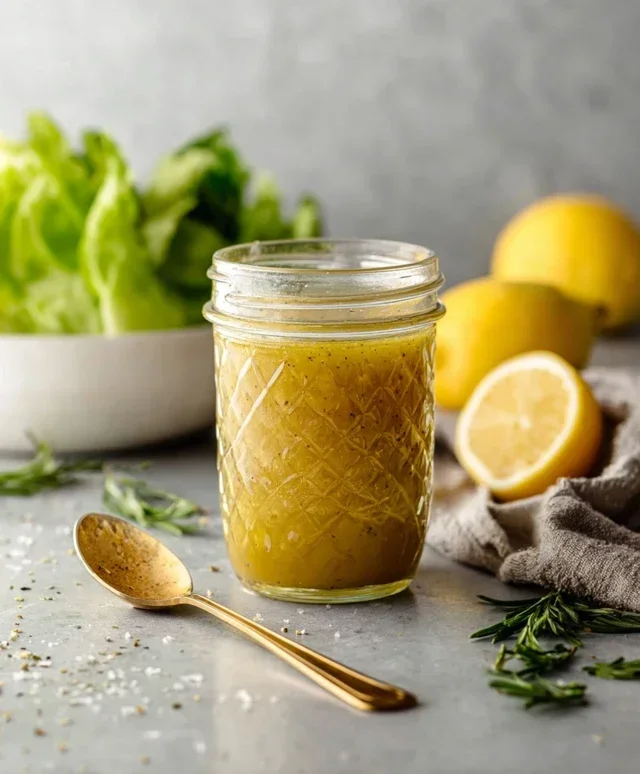
Basic Lemon Vinaigrette Dressing
There’s a reason why a simple, homemade vinaigrette is a staple in so many kitchens. It’s incredibly versatile, bursting with fresh flavor, and takes mere minutes to whip up. Forget those pre-bottled dressings that are often loaded with preservatives and sugar. Learning to make your own basic lemon vinaigrette is a game-changer for elevating your salads, marinades, and even as a quick sauce for roasted vegetables. This recipe is my go-to because it strikes the perfect balance of tangy, sweet, and savory, with a bright citrus punch that awakens any dish. It’s wonderfully adaptable too, so once you’ve mastered this fundamental version, feel free to experiment with your favorite herbs and spices.
Ingredients:
Instructions:
The beauty of this vinaigrette lies in its simplicity, and the process is straightforward. We’ll be combining all the flavorful ingredients except for the olive oil first, allowing them to meld beautifully before we emulsify in the oil. This ensures a well-balanced flavor profile from the get-go.
Begin extract by gathering all your ingredients. This recipe comes together so quickly that you’ll want everything measured and ready to go. In a medium-sized bowl, or the jar you plan to store the dressing in, combine the apple cider vinegar, fresh lemon juice, and water. The combination of apple cider vinegar and lemon juice provides a lovely duality of tangin extractess – the apple cider vinegar offers a slightly milder, more nuanced acidity, while the lemon juice brings that immediate, bright citrus zing. The water is crucial for slightly mellowing the intensity of the vinegars and lemon, ensuring a smoother, more approachable flavor that won’t overpower delicate greens.
Next, add the dijon mustard. Dijon mustard isn’t just for flavor here; it’s a vital emulsifier. Its sticky, slightly gelatinous texture helps to bind the oil and vinegar together, creating a more stable dressing that won’t separate as readily. If you don’t have dijon, a good quality whole-grain mustard can work, but it might impart a slightly different texture and flavor profile. Follow this with your sweetener. I’ve suggested honey or maple syrup for a natural sweetness that complements the acidity beautifully. Start with the recommended amount, but feel free to adjust it later to suit your palate. If you prefer to keep it sugar-free, a few drops of liquid stevia can also work wonders. Just be mindful that stevia is potent, so add it gradually and taste as you go.
Now, introduce the dried oregano and the minced garlic. Oregano brings an herbaceous, slightly peppery note that pairs wonderfully with lemon and olive oil. If you’re using fresh oregano, you’ll want to chop it very finely. Fresh herbs generally offer a more vibrant and nuanced flavor, but dried oregano is perfectly convenient and still delivers a lovely aromatic quality. For the garlic, I recommend mincing it as finely as possible, or even grating it on a microplane. This helps to distribute the garlic flavor evenly throughout the dressing and avoids any large, pungent chunks. If you’re not a fan of raw garlic, you can use a very small pinch of garlic powder instead, but fresh garlic truly makes a difference in its bright, pungent kick. Add the sea salt and black pepper at this stage as well. The salt will help to draw out the flavors of the other ingredients, and the pepper adds a subtle warmth.
Whisk or shake all these ingredients together vigorously. If you’re using a bowl, a whisk is ideal for ensuring everything is well combined and the mustard is fully incorporated. If you’re working with a jar, simply put the lid on tightly and shake, shake, shake! You’ll notice the mixture start to become slightly cloudy as the ingredients begin extract to emulsify. Taste this base mixture at this point. This is your chance to fine-tune the flavor. Does it need a touch more sweetness? A pinch more salt? A squeeze more lemon? Adjust it now before you add the olive oil. This is where you really make the recipe your own.
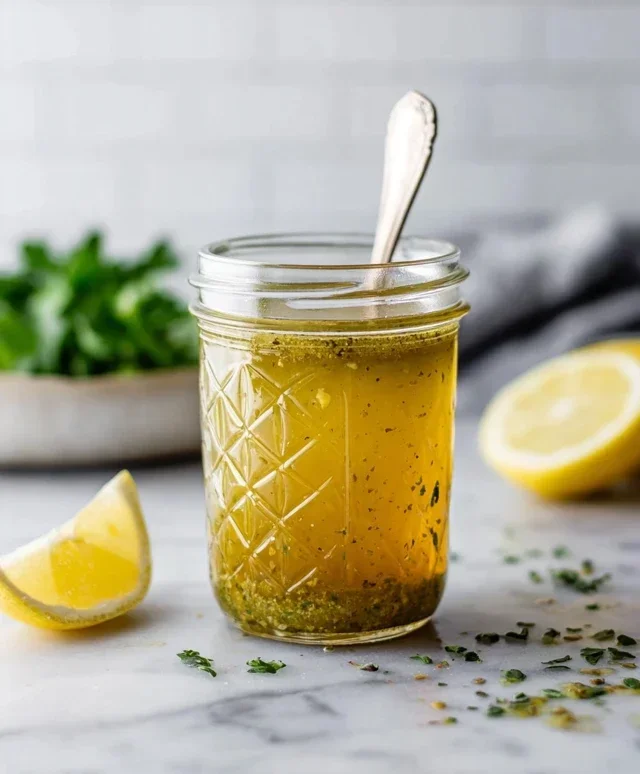
The final step is to incorporate the olive oil. This is where the magic of emulsification truly happens. Slowly drizzle in the olive oil while continuously whisking the mixture. If you’re using a jar, you can add the oil in stages and then shake very, very well after each addition. The key is to add the oil gradually and keep whisking or shaking constantly. This process breaks the oil into tiny droplets that are suspended within the vinegar and water mixture, creating a creamy, cohesive dressing. Continue adding the olive oil until it’s all incorporated. You’ll see the dressing transform from a thin, watery mixture to a beautifully emulsified, slightly thickened dressing with a lovely pnon-alcoholic ale yellow hue. Once all the oil is added, give it one final, vigorous whisk or shake.
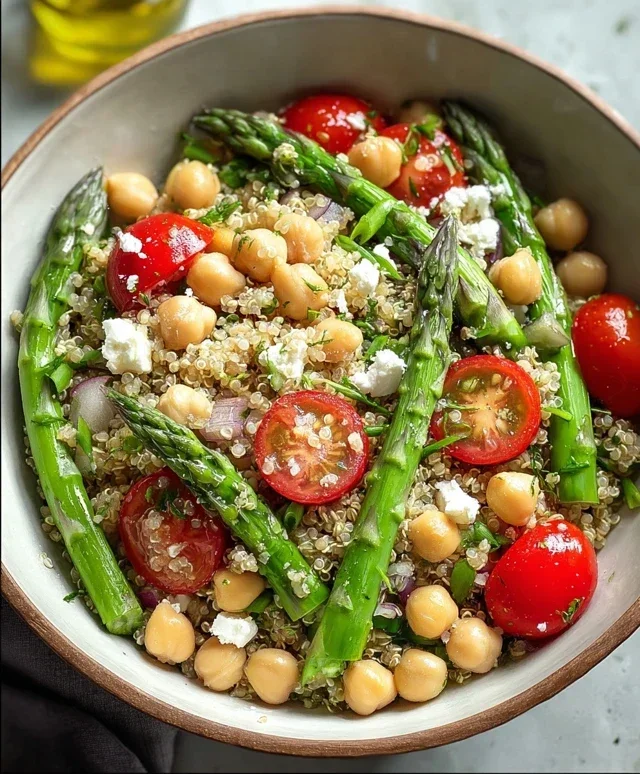
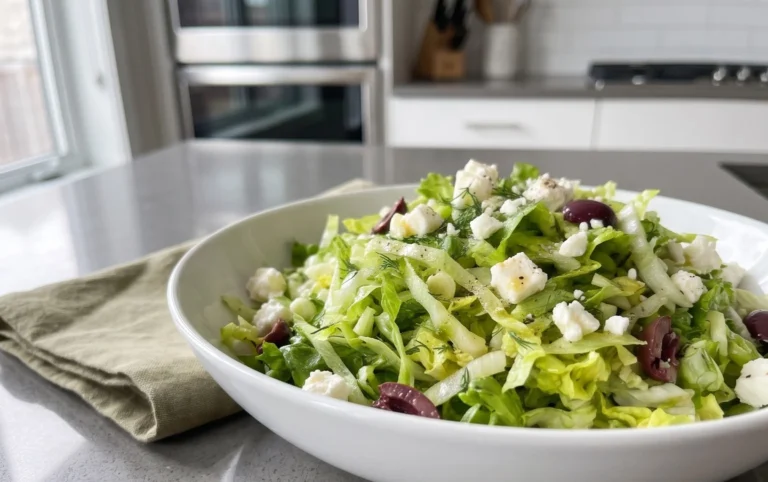
Your basic lemon vinaigrette is now ready to be enjoyed! Store it in an airtight container, preferably a glass jar, in the refrigerator. It should last for about two weeks. Before each use, give it a good shake or whisk, as some natural separation is to be expected over time. This dressing is a fantastic companion to simple green salads, mixed greens with roasted vegetables, or even as a marinade for chicken or fish. Enjoy the fresh, vibrant taste of homemade!
Conclusion:
There you have it – your simple, yet incredibly versatile, basic lemon vinaigrette dressing! This recipe truly shines because of its purity and ease. It’s a testament to how a few high-quality ingredients can come together to create something truly delicious and refreshing, elevating even the simplest salad to a culinary delight. Forget those store-bought dressings laden with preservatives and artificial flavors; this homemade version is a game-changer for your kitchen. The bright, zesty punch of lemon combined with the smooth richness of olive oil is a classic pairing that never disappoints.
I encourage you to give this basic lemon vinaigrette a try! It’s perfect for a crisp green salad, but don’t stop there. Drizzle it over roasted vegetables, use it as a marinade for chicken or fish, or even toss it with cooked grains like quinoa or farro. Feel free to experiment with variations too! Add a pinch of Dijon mustard for emulsification and a little tang, some minced garlic for extra punch, or a touch of honey or maple syrup for a hint of sweetness. The possibilities are endless, and I’m confident you’ll find yourself reaching for this recipe again and again.
Frequently Asked Questions:
Q: How long can I store my homemade lemon vinaigrette?
A: You can store your basic lemon vinaigrette in an airtight container in the refrigerator for up to a week. The olive oil may solidify slightly when chilled; simply let it sit at room temperature for a few minutes and whisk or shake well before serving.
Q: Can I use a different type of oil?
A: While extra virgin extract olive oil is recommended for its flavor, you can experiment with other mild-flavored oils like avocado oil or grapeseed oil if you prefer. Avoid strong-flavored oils like extra virgin extract olive oil if you want the lemon to be the star.
Q: My vinaigrette separated. What did I do wrong?
A: Don’t worry, this is completely normal! Vinaigrettes naturally separate over time. Just give it a good shake or whisk before each use. Adding a small amount of Dijon mustard can help emulsify it and keep it together for longer.
Basic Lemon Vinaigrette Dressing
A simple and versatile vinaigrette perfect for salads, marinades, and more.
Ingredients
-
1/4 cup apple cider vinegar
-
2 tablespoons fresh lemon juice
-
2 tablespoons water
-
1 tablespoon dijon mustard
-
2 teaspoons honey
-
1 teaspoon dried oregano
-
1 clove garlic, minced
-
1/2 teaspoon sea salt
-
1/4 teaspoon black pepper
-
1/2 cup + 2 tablespoons olive oil
Instructions
-
Step 1
In a small bowl, whisk together the apple cider vinegar, fresh lemon juice, water, dijon mustard, honey, dried oregano, minced garlic, sea salt, and black pepper. -
Step 2
Slowly drizzle in the olive oil while continuously whisking. -
Step 3
Continue whisking until the vinaigrette is emulsified and well combined. -
Step 4
Taste and adjust seasoning if necessary. -
Step 5
Pour into a jar or airtight container and store in the refrigerator. -
Step 6
Shake or whisk well before serving.
Important Information
Nutrition Facts (Per Serving)
It is important to consider this information as approximate and not to use it as definitive health advice.
Allergy Information
Please check ingredients for potential allergens and consult a health professional if in doubt.