Easy Chimichurri Sauce – Fresh Herb Flavor
Chimichurri sauce is more than just a condiment; it’s a vibrant explosion of fresh herbs and zesty flavors that transforms ordinary meals into extraordinary culinary experiences. Have you ever grilled a steak or roasted some chicken and felt like it was missing that certain je ne sais quoi? That, my friends, is where this South American gem shines. People adore chimichurri sauce because it’s incredibly versatile, cutting through richness with its bright herbaceousness and a subtle kick of garlic and vinegar. What truly makes it special is its uncooked nature, preserving the lively essence of parsley, oregano, and chili flakes. It’s the kind of sauce that wakes up your palate and makes you crave just one more bite. Get ready to unlock a world of flavor with this incredibly simple, yet utterly delicious, chimichurri sauce recipe!
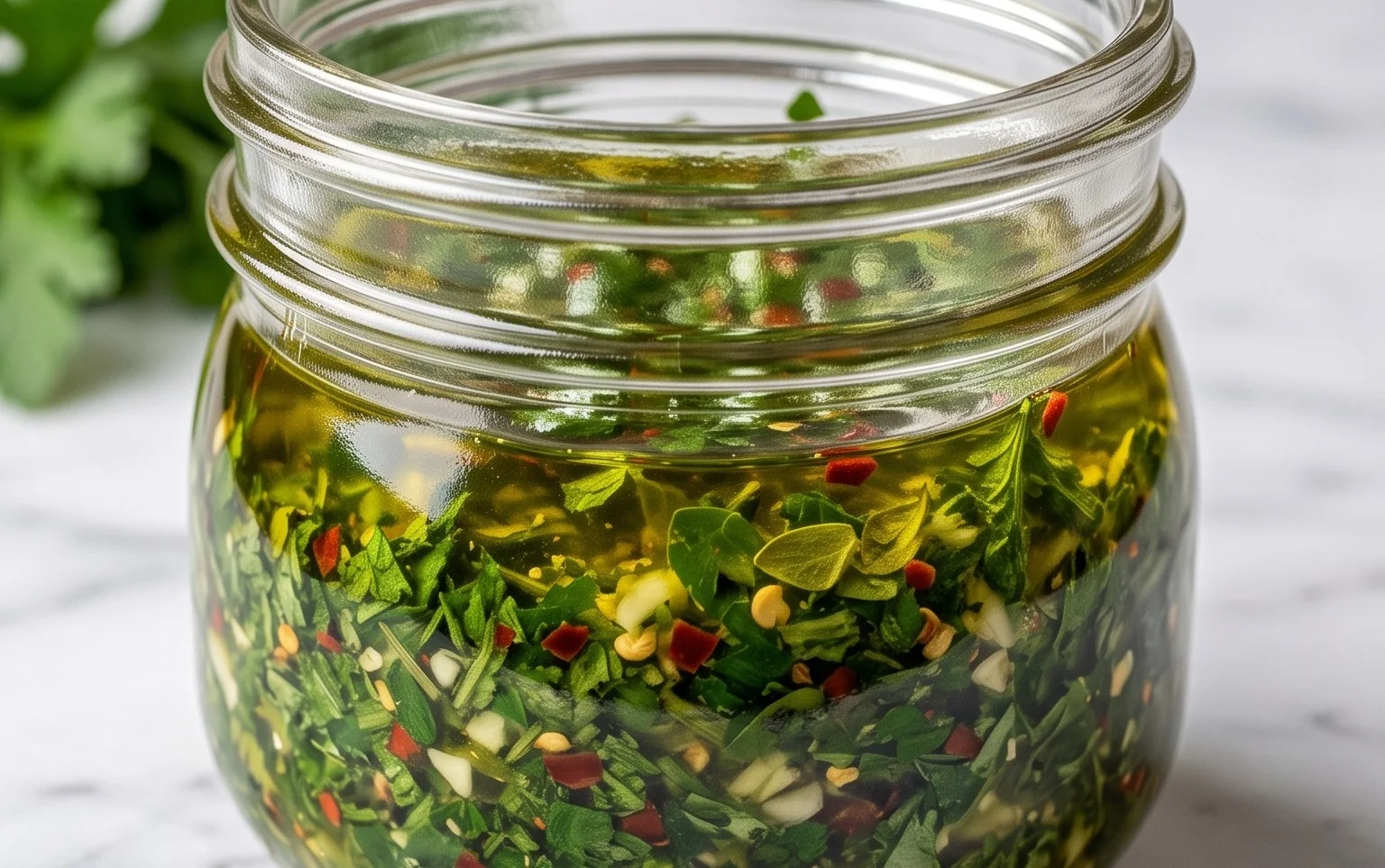
Chimichurri Sauce: The Vibrant Green Elixir for Your Grill
There are few sauces that possess the sheer vibrancy and versatility of chimichurri. Hailing from Argentina and Uruguay, this herbaceous condiment is a true celebration of fresh ingredients, bursting with bright, zesty flavors that cut through richness and elevate even the simplest grilled meats. Forget boring marinades; chimichurri is a revelation, a punchy, garlicky, herb-forward sauce that transforms everything it touches into something extraordinary.
Whether you’re grilling steak, chicken, fish, or even vegetables, a dollop of homemade chimichurri is the perfect finishing touch. Its fresh, herbaceous notes are a welcome contrast to smoky char, while its subtle tang awakens the palate. Making it yourself is incredibly simple, and the results are leagues ahead of any store-bought version. Plus, you can customize it to your exact preferences – more garlic? A spicier kick? It’s all in your hands. Let’s get started on creating this culinary masterpiece.
Ingredients:
If you find parsley to be too strong for your liking, you can substitute some of it with more cilantro or even a bit of fresh mint for a different twist.*
* A good quality extra virgin extract olive oil will yield the best flavor, but a regular olive oil will also work nicely.*
Crafting Your Chimichurri
The beauty of chimichurri lies in its freshness and simplicity. There’s no cooking involved, just a bit of chopping and a good whisk.
Step 1: Prepare Your Herbs
Start by thoroughly washing and drying your fresh herbs. This is a crucial step to ensure no dirt or grit ends up in your sauce. Spread the parsley and cilantro out on paper towels and gently pat them dry. Once dry, remove the tougher stems from the parsley and cilantro. You want just the tender leaves. For the oregano, if you’re using fresh, strip the leaves from their stems. If you’re using dried, simply measure it out. Having your herbs prepped and ready will make the chopping process much smoother.
Step 2: Finely Chop the Aromatics
This is where the real flavor building begin extracts. You’ll want to mince your garlic cloves very finely. The finer you chop the garlic, the more evenly its pungent flavor will distribute throughout the sauce. Next, tackle your red onion or shallot. Again, aim for a very fine dice. If you’re using a shallot, it will be naturally milder and sweeter than red onion. If you prefer a less potent onion flavor, you can even rinse the finely diced red onion under cold water for a minute and then pat it dry; this helps to remove some of its sharp bite, creating a more mellow profile. The goal here is to have all your solid ingredients chopped into small, uniform pieces.
Step 3: Combine the Dry and Wet Ingredients (Almost!)
In a medium-sized bowl, combine your finely chopped parsley, cilantro, oregano, red onion or shallot, and minced garlic. Now, add the red grape juice vinegar and fresh lemon juice. The acidity from these juices will start to mellow out the sharpness of the raw garlic and onion, and also begin extract to coax out the essential oils from the herbs. Add the initial 1/2 teaspoon of salt and the optional red pepper flakes at this stage. Stir everything together gently. You’ll notice the color of the herbs starting to deepen as they come into contact with the acidic liquids. This is the begin extractning of that beautiful, vibrant green hue that is characteristic of chimichurri.
Step 4: Emulsify with Olive Oil
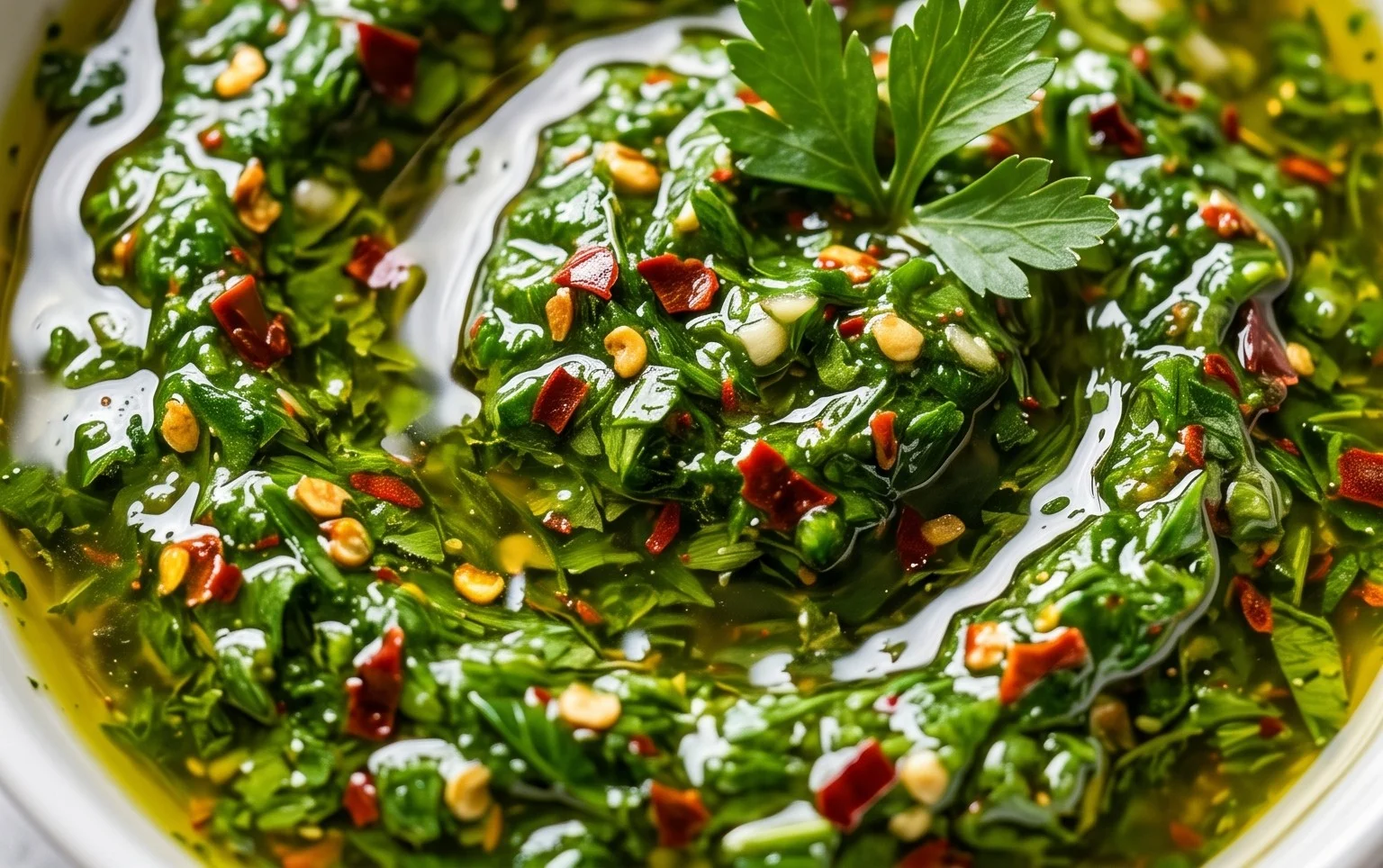
This is the final stage of creating your chimichurri. Slowly drizzle in the olive oil while whisking continuously. You’re essentially creating a light emulsion, bringin extractg all the flavors together. Don’t just dump the oil in all at once; adding it in a slow, steady stream allows it to properly incorporate with the other ingredients. As you whisk, you’ll see the sauce thicken slightly and the colors become more integrated. Continue whisking until the oil is fully incorporated and the sauce has a beautiful, emulsified consistency. It should be thick enough to coat the back of a spoon but still pourable.
Step 5: Taste and Adjust
This is arguably the most important step: tasting and adjusting your chimichurri. Your palate is the ultimate judge. Dip a clean spoon into the sauce and take a generous taste. Does it need more salt? Perhaps another squeeze of lemon juice for brightness? If you like it a little spicier, now is the time to add more red pepper flakes. Chimichurri is meant to be bold, so don’t be afraid to adjust the seasonings until it sings to you. Remember that the flavors will also meld and develop further as it sits.
Serving Suggestions and Storage
Once you’ve perfected your chimichurri, it’s ready to be enjoyed. It’s traditionally served with grilled meats like steak, but don’t stop there! Drizzle it over grilled chicken, fish, or beef chops. It’s also fantastic with roasted vegetables, as a dip for bread, or even stirred into a salad dressing.
To store your chimichurri, transfer it to an airtight container and keep it in the refrigerator. It will typically last for about 3-4 days. You might notice that the olive oil separates a bit after sitting. Simply give it a good whisk or stir before serving to re-emulsify. The flavors tend to deepen and become even more delicious after a day in the fridge, so making it a little ahead of time is often a good strategy. Enjoy the vibrant, fresh taste of your homemade chimichurri!
Conclusion:
So there you have it! This chimichurri sauce recipe is truly a game-changer for any kitchen. It’s incredibly versatile, bursting with fresh, vibrant flavors, and surprisingly simple to whip up. The bright tang of the vinegar, the herbaceous punch of the parsley and oregano, the subtle heat from the chili flakes, and the rich depth of the garlic all come together to create a sauce that elevates everything it touches. I’ve found it’s the perfect accompaniment to grilled meats like steak and chicken, but don’t stop there! It’s also fantastic drizzled over roasted vegetables, as a vibrant marinade, or even stirred into a potato salad for an extra zing. Don’t be afraid to experiment with the herb ratios to find your perfect balance, or add a touch more chili for extra fire. I truly encourage you to give this recipe a try – I promise it will quickly become a staple in your culinary repertoire!
Frequently Asked Questions about Chimichurri Sauce:
Q: How long does chimichurri sauce last?
A: Properly stored in an airtight container in the refrigerator, this chimichurri sauce can last for up to a week. The acidity from the vinegar acts as a natural preservative. It’s best enjoyed within the first few days for the freshest flavor.
Q: Can I freeze chimichurri sauce?
A: Yes, you absolutely can! Freezing is a great option for longer storage. You can freeze it in ice cube trays for convenient portioning, or in a small airtight container. The texture might change slightly upon thawing, becoming a little more watery, but the flavor will remain delicious. Just give it a good stir after thawing.
Q: What if I don’t have fresh oregano?
A: While fresh herbs are always preferred for their brightness, you can substitute dried oregano if needed. A good rule of thumb is to use about one-third the amount of dried herbs compared to fresh. So, for this recipe, you’d use about 1 tablespoon of dried oregano instead of 3 tablespoons fresh.
Chimichurri Sauce
A vibrant and zesty herb sauce, perfect for grilled meats, vegetables, and more. This recipe features a balanced blend of fresh herbs, garlic, and tangy vinegar.
Ingredients
-
1 1/2 cups well packed (42g) fresh parsley
-
1/2 cup well packed (20g) fresh cilantro
-
1/4 cup (9g) fresh oregano or 1 tsp dried
-
1/4 small red onion
-
3 garlic cloves
-
3 Tbsp red grape juice vinegar
-
2 Tbsp fresh lemon juice
-
1/2 tsp salt
-
1/4 tsp red pepper flakes
-
3/4 cup olive oil
Instructions
-
Step 1
Finely chop the fresh parsley, cilantro, and oregano (if using fresh). If using dried oregano, set aside for now. -
Step 2
Finely mince the red onion or shallot and the garlic cloves. -
Step 3
In a medium bowl, combine the chopped herbs, minced onion/shallot, and minced garlic. -
Step 4
Add the red grape juice vinegar, fresh lemon juice, salt, and red pepper flakes (if using). Stir to combine. -
Step 5
Slowly drizzle in the olive oil while whisking continuously until the sauce is emulsified and well combined. -
Step 6
Taste and adjust salt and red pepper flakes as needed. For best flavor, let the chimichurri sit for at least 15-30 minutes before serving to allow the flavors to meld.
Important Information
Nutrition Facts (Per Serving)
It is important to consider this information as approximate and not to use it as definitive health advice.
Allergy Information
Please check ingredients for potential allergens and consult a health professional if in doubt.