
Easy Miso Soup Recipe- Quick & Flavorful Comfort Food
Miso soup recipe. Ah, that comforting, savory embrace in a bowl! There’s a reason why this humble yet profound dish is a staple in Japanese cuisine and a beloved starter worldwide. It’s more than just soup; it’s a warm hug, a moment of quiet contemplation, and a burst of umami that awakens the senses. People adore this miso soup recipe for its incredible simplicity, the delicate balance of salty, sweet, and savory flavors, and the sheer joy of its customizable nature. What truly makes this miso soup recipe special is its profound ability to be both deeply satisfying and wonderfully light, a testament to the magic of fermented soybeans. Whether you’re seeking a quick, healthy breakfast, a soothing accompaniment to your meal, or a flavorful starter to impress guests, this versatile miso soup recipe is your answer.
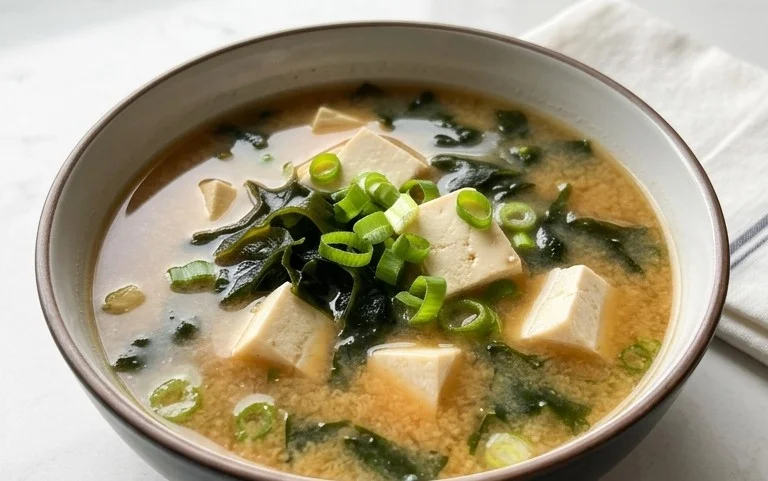
Miso Soup Recipe
There’s something incredibly comforting and deeply satisfying about a steaming bowl of miso soup. It’s a staple in Japanese cuisine for a reason: it’s quick, incredibly versatile, and packed with delicious umami flavor. This recipe is for a classic, simple miso soup that’s perfect for begin extractners and seasoned cooks alike. It’s the kind of soup you can whip up in minutes for a light breakfast, a soothing lunch, or a warm accompaniment to any meal. The beauty of miso soup lies in its simplicity, allowing the distinct flavors of the dashi and miso paste to shine through.
Ingredients:
Let’s dive into how we bring these simple ingredients together to create a truly delightful bowl of miso soup. The foundation of any great miso soup is the dashi, a Japanese soup stock that forms the savory base. While you can buy instant dashi powder, making your own dashi from scratch, or using a good quality pre-made liquid dashi, will elevate your soup to another level. For this recipe, we’re assuming you have your dashi ready to go. The seaweed adds a subtle oceanic brininess and a lovely texture, while the silken tofu offers a delicate, melt-in-your-mouth quality. Finally, the miso paste is the star, bringin extractg its complex, fermented flavor profile.
Cooking Instructions:
1. Prepare the Dashi and Rehydrate the Seaweed:
Pour your 2½ cups of dashi into a medium saucepan. If you’re using dried seaweed, such as wakame, now is the time to prepare it. Place the dried seaweed in a small bowl and cover it with lukewarm water. Let it soak for about 5 to 10 minutes, or until it has rehydrated and expanded. Once rehydrated, gently drain any excess water and set the seaweed aside. This step is crucial for ensuring the seaweed isn’t too tough or chewy in the final soup. You’ll notice it transforms from brittle flakes into soft, tender pieces.
2. Heat the Dashi and Add Seaweed:
Place the saucepan with the dashi over medium heat. Bring it to a gentle simmer, but avoid a rolling boil, as this can sometimes break down the delicate flavors. Once the dashi is simmering, carefully add the rehydrated dried seaweed to the pot. Stir gently to distribute it evenly throughout the broth. Let the seaweed simmer in the dashi for a couple of minutes, allowing it to soften further and release its flavor into the broth. This brief simmering period also ensures the seaweed is perfectly tender.
3. Incorporate the Tofu:
Gently add the silken tofu pieces to the simmering dashi and seaweed mixture. It’s important to be gentle here so you don’t break up the tofu too much. The silken tofu is very delicate, so a light touch is key. Allow the tofu to heat through for about 2 to 3 minutes. It doesn’t need to cook extensively, just warm up in the flavorful broth. This is where you start to see the soup taking on a more substantial and visually appealing form.
4. Dissolve the Miso Paste:
This is arguably the most important step for achieving a perfect miso soup. Do NOT add the miso paste directly to the boiling soup. High heat can diminish the beneficial probiotics and nuanced flavors of the miso. Instead, ladle about ½ cup of the hot dashi broth from the saucepan into a small bowl. Add your 2 to 2½ tablespoons of miso paste to this bowl. Use a whisk or a fork to thoroughly dissolve the miso paste into the broth, ensuring there are no clumps. Start with 2 tablespoons of miso paste and taste; you can always add more if you prefer a stronger flavor. Different types of miso (white, red, mixed) have different saltiness and flavor intensities, so adjust to your personal preference.
5. Combine and Serve:
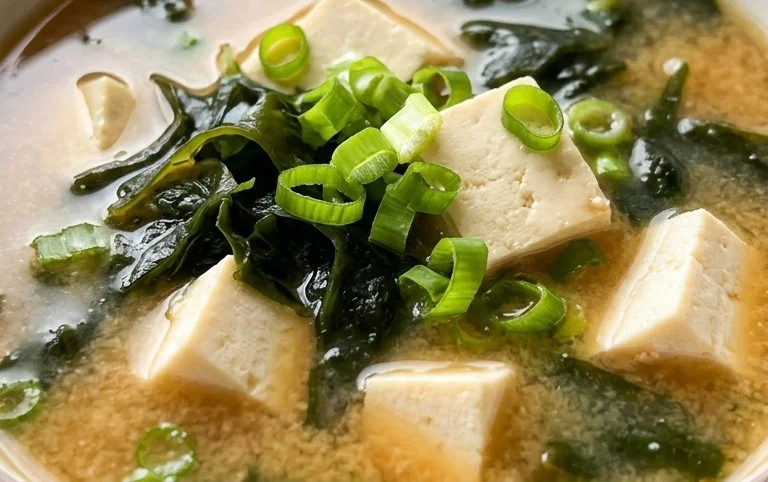
Once the miso paste is fully dissolved and smooth in the small bowl, gently pour this mixture back into the saucepan with the rest of the soup. Stir everything together gently. Heat the soup over low heat for another minute or two, just to warm everything through. Again, do not let the soup boil after the miso has been added, as this can cook out its delicate flavor and beneficial properties. Once heated through, carefully ladle the miso soup into serving bowls. Garnish generously with the chopped scallions. The fresh, sharp bite of the scallions provides a wonderful contrast to the savory depth of the soup. Serve immediately and enjoy the comforting warmth and delicious taste of your homemade miso soup!
Conclusion:
And there you have it! This simple yet profoundly satisfying miso soup recipe is your gateway to a world of comforting, umami-rich flavor. It’s incredibly quick to prepare, making it a perfect weeknight meal or a delightful appetizer any time of day. The beauty of this versatile miso soup lies in its adaptability. Enjoy it on its own for a light and nourishing experience, or pair it with steamed rice and your favorite grilled fish or teriyaki chicken for a complete and wholesome meal. Don’t be afraid to experiment with different types of miso paste – each offers a unique depth of flavor. You can also swap out the vegetables for whatever you have on hand, like snap peas, baby corn, or even a handful of spinach. I truly encourage you to give this recipe a try; you might just find your new favorite comfort food!
Frequently Asked Questions:
Can I make miso soup ahead of time?
While you can prepare the dashi broth in advance and store it in the refrigerator for a day or two, it’s best to add the miso paste and other delicate ingredients just before serving. Miso can lose some of its flavor and beneficial properties when heated for extended periods.
What kind of miso paste should I use for this recipe?
This recipe is wonderfully adaptable! For a classic taste, white miso (shiro miso) is a great starting point as it’s mild and slightly sweet. Red miso (aka miso) offers a bolder, more robust flavor, while awase miso is a blend of red and white, providing a balanced taste. Experiment to find your preference!
Are there any vegetarian or vegan variations?
Absolutely! To make this miso soup recipe vegan-friendly, simply ensure your dashi is made without bonito flakes. Kombu (kelp) and dried shiitake mushrooms are excellent vegan alternatives for creating a rich dashi broth. Avoid adding any tofu or seafood if you’re aiming for a strictly vegan dish.
Miso Soup Recipe
A simple and comforting classic Japanese miso soup.
Ingredients
-
2½ cups Dashi
-
1 heaping tablespoon dried seaweed
-
4 oz silken tofu (cut into small pieces)
-
2-2½ tablespoons miso paste (or to taste)
-
1 tablespoon scallion (chopped)
Instructions
-
Step 1
Soak the dried seaweed in a small bowl of water for about 5 minutes, then drain. -
Step 2
In a medium pot, bring the Dashi to a gentle simmer over medium heat. -
Step 3
Add the rehydrated seaweed and the cut tofu to the simmering Dashi. -
Step 4
In a separate small bowl, whisk the miso paste with a ladleful of the hot Dashi until smooth. -
Step 5
Gently stir the miso mixture into the pot, ensuring it is fully incorporated. -
Step 6
Heat through for another minute or two, but do not boil after adding the miso, as this can diminish its flavor and beneficial properties. -
Step 7
Ladle the soup into bowls and garnish with chopped scallions before serving.
Important Information
Nutrition Facts (Per Serving)
It is important to consider this information as approximate and not to use it as definitive health advice.
Allergy Information
Please check ingredients for potential allergens and consult a health professional if in doubt.